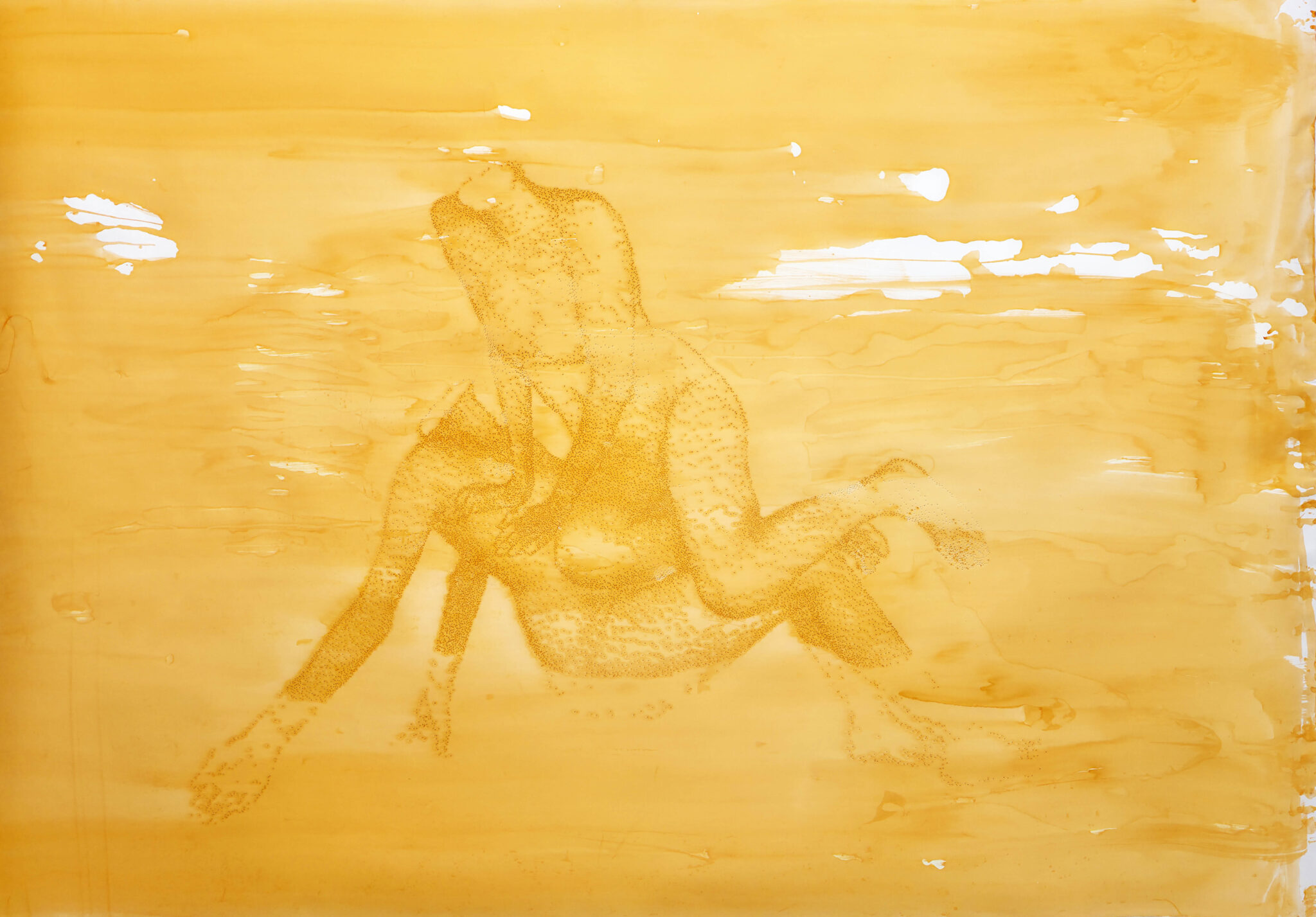
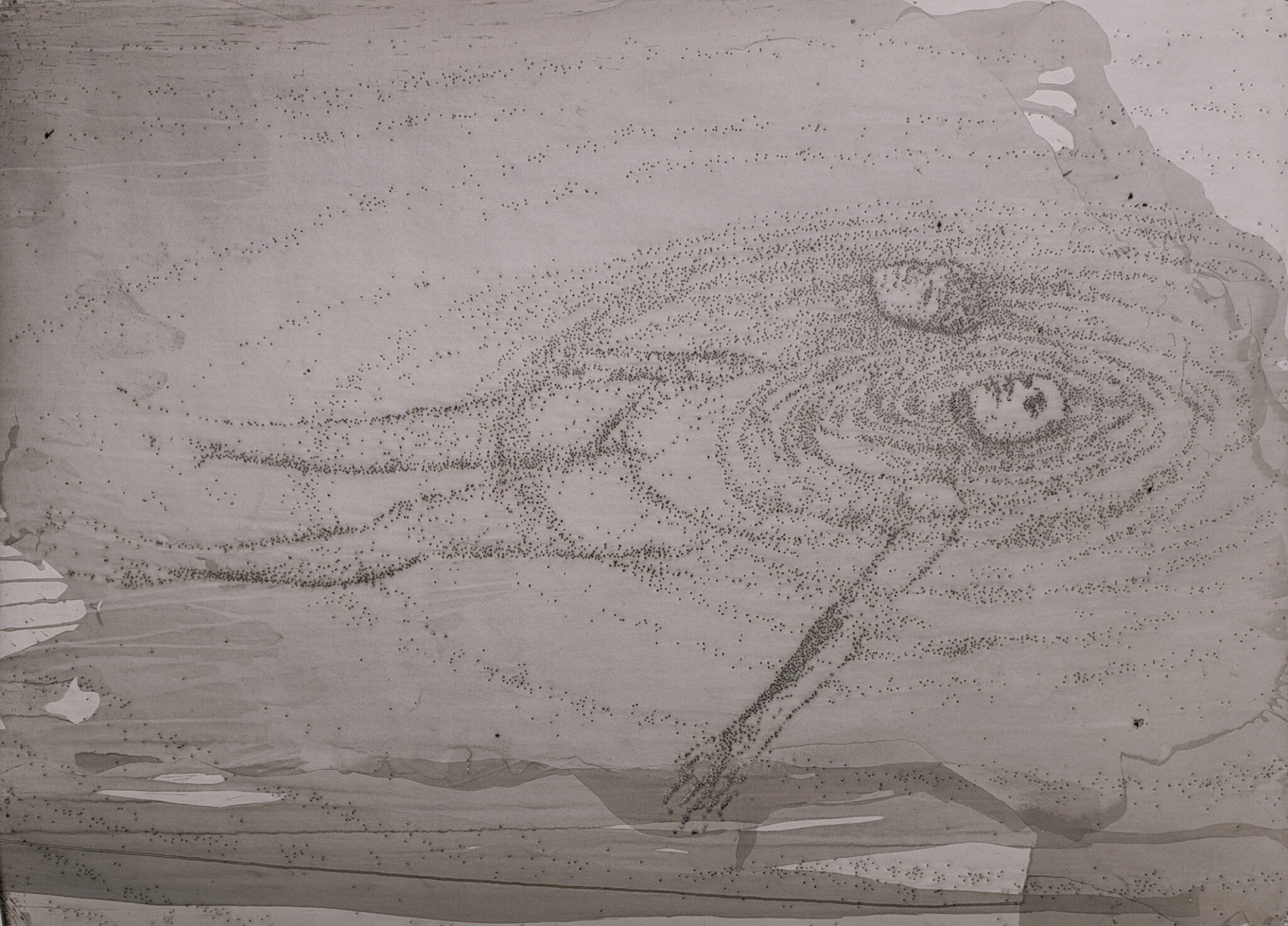
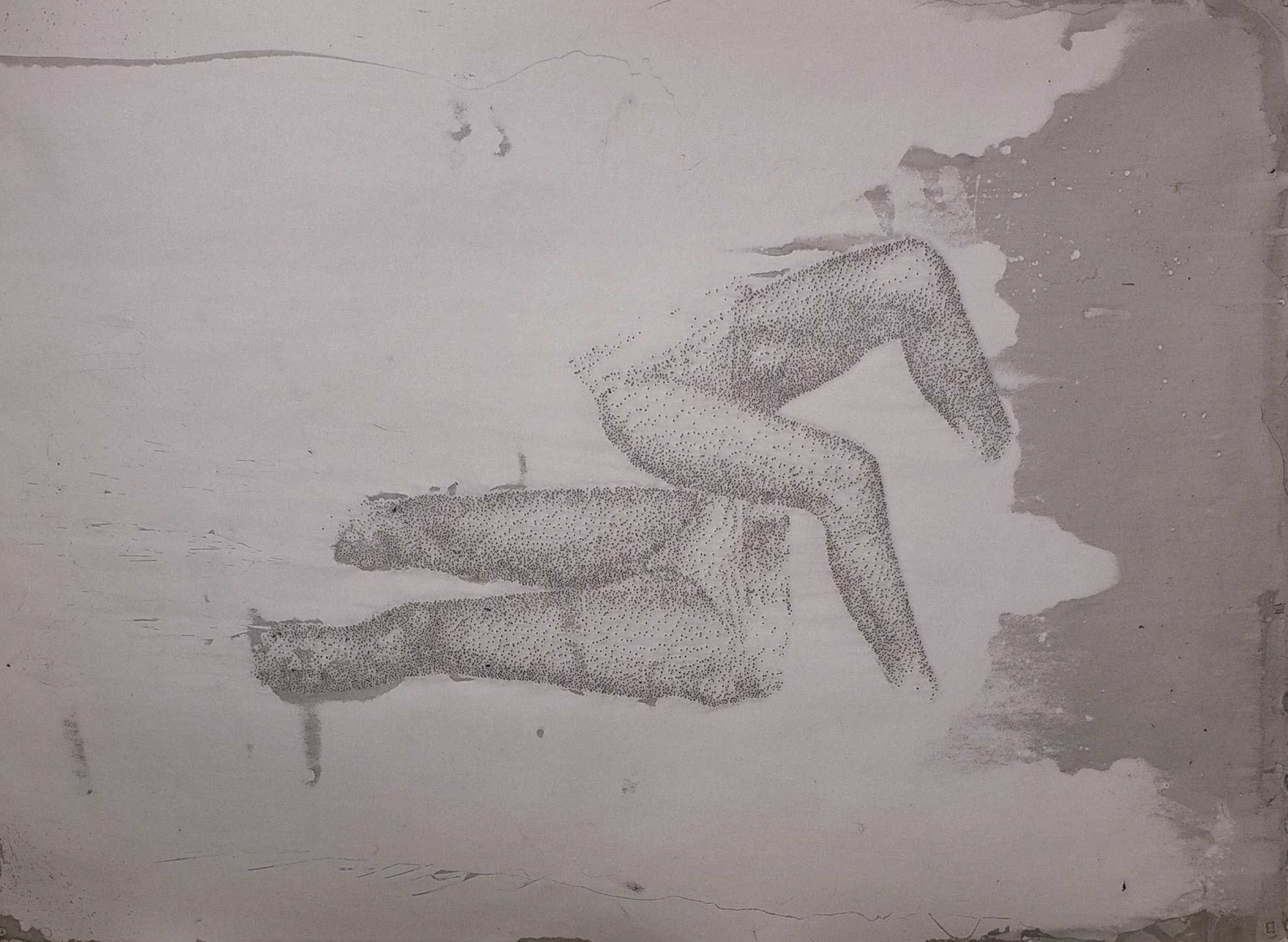
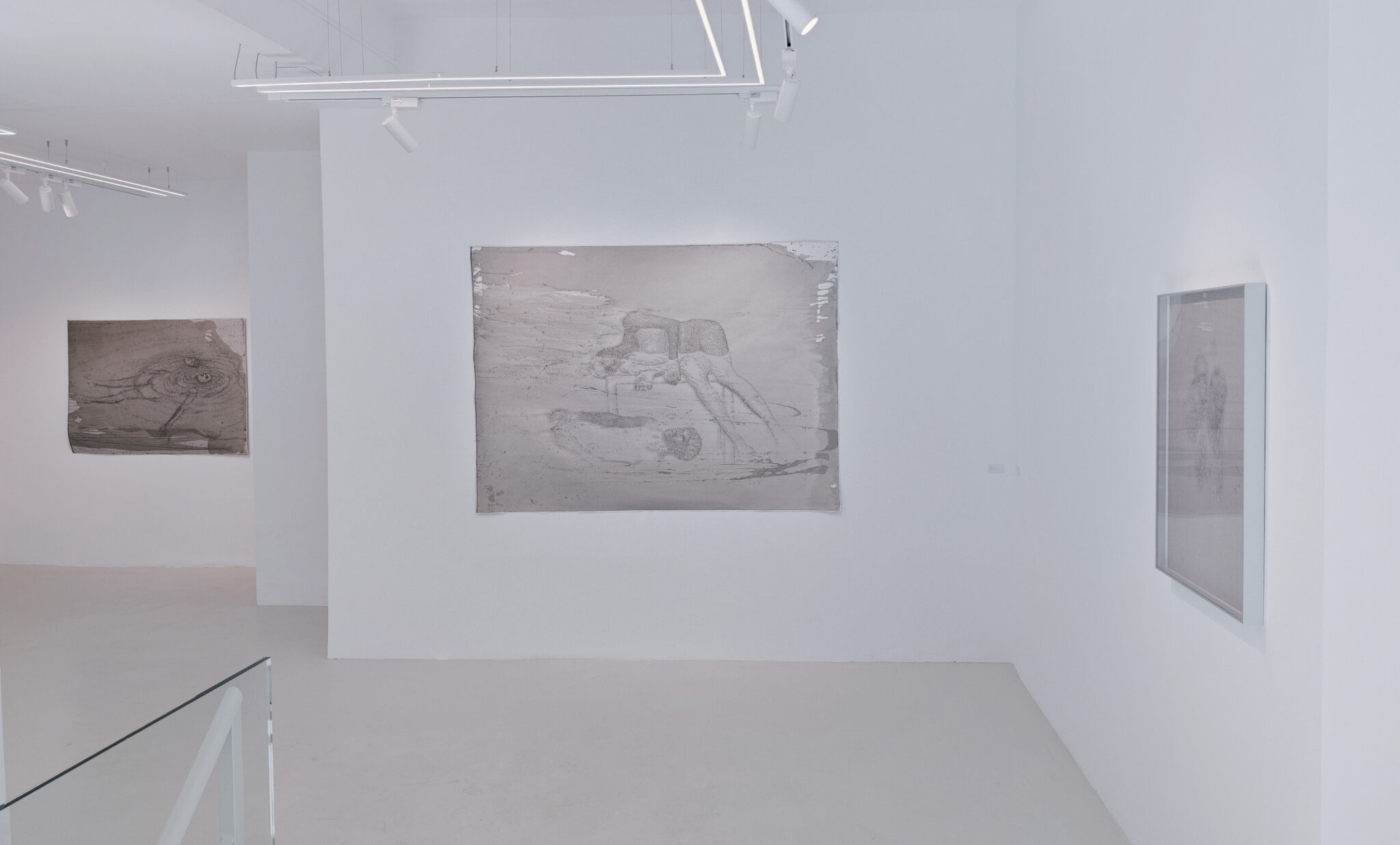
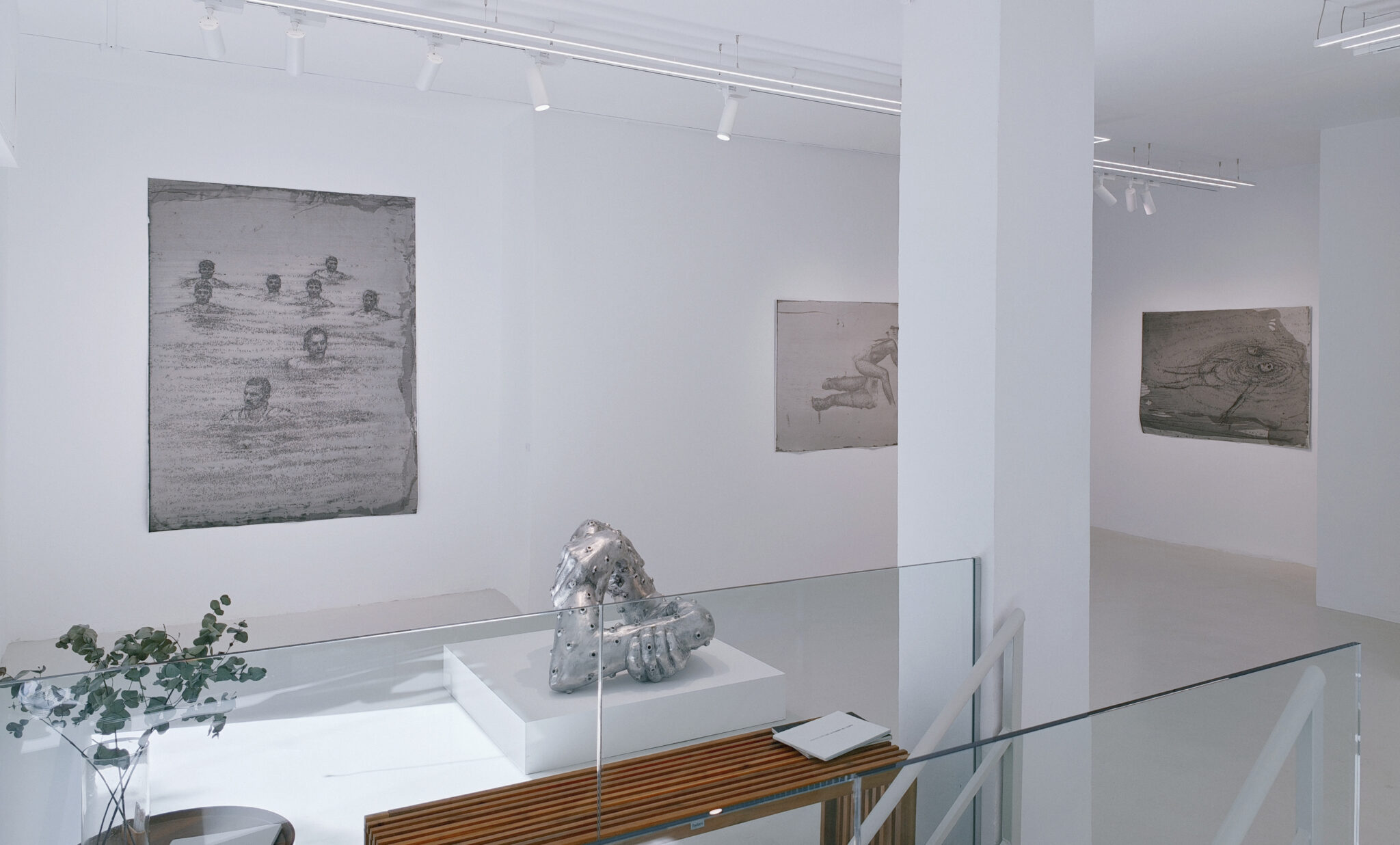
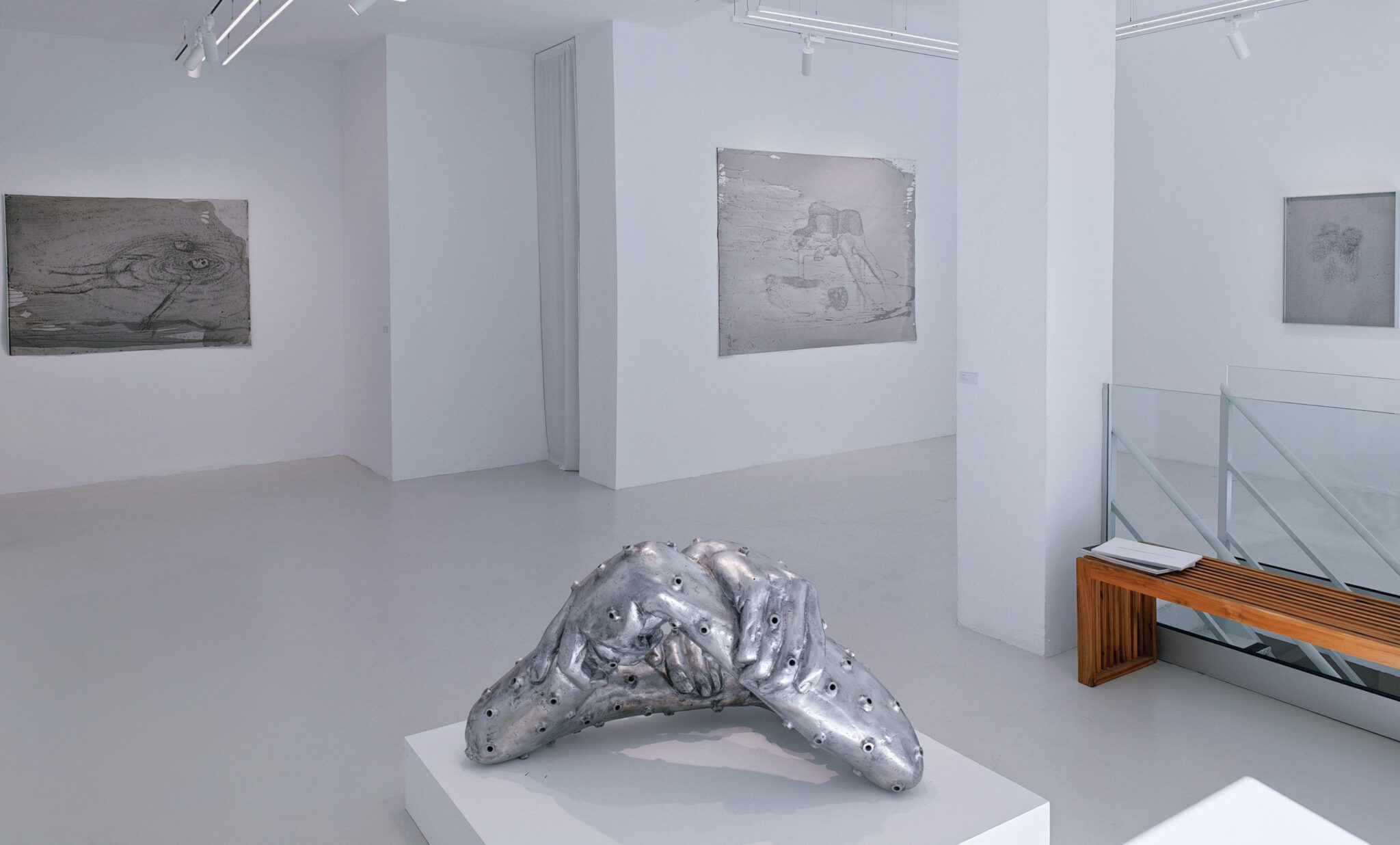
Written during a period marked by violence, suffering and exile, Luis Cernuda’s Clouds depicts a fractured world in Spain in the late 1930s, in which loss takes on both a personal and a collective dimension. In this landscape of loss, the body ceases to belong to the realm of desire and appears to be punctured through by death, transformed into vulnerable matter and memory. This transformation allows us to think of the body not merely as something that lives or dies, but as the place where history leaves its mark. It is imbued with rage, rootlessness, absence and also the difficult experience of continuing to exist in the wake of disaster.
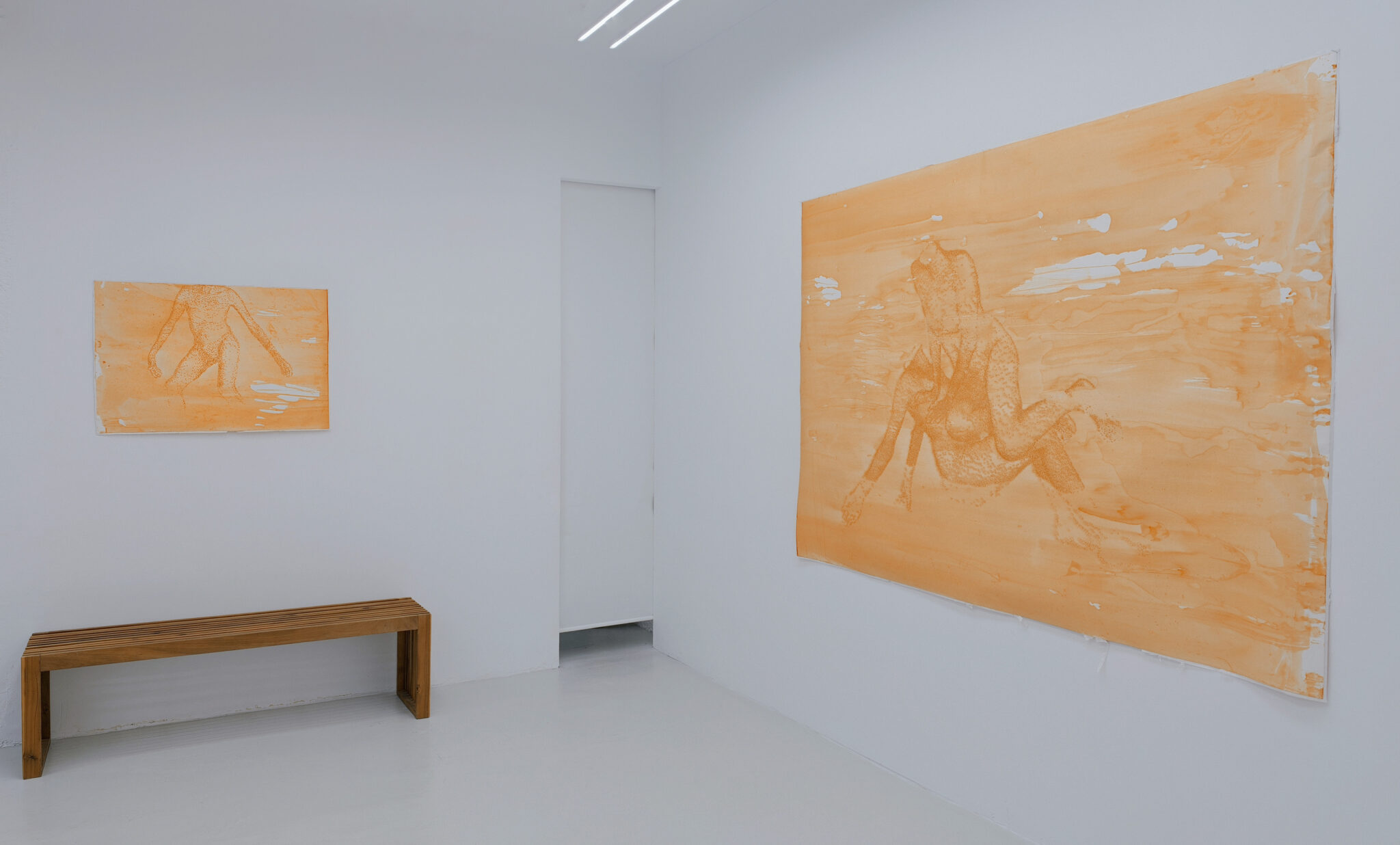
From that very fragility, Amparo Sard’s Carne gris (Grey Flesh) turns its gaze towards a present in which wars, forced migration, borders and various forms of violence have turned the body into one of the main political battlegrounds of our time. There are bodies that are protected and bodies that are exposed; bodies that are allowed to remain and bodies forced to leave their homes; lives recognised as losses and others reduced to unimaginable numbers. In the face of this unequal distribution of vulnerability, Sard restores weight, substance and presence to that which distance and the repetition of images threaten to render invisible. And so grey becomes the colour of a world in the wake of trauma; a space suspended between grief and survival, disappearance and permanence. Carne gris confronts us with what remains when certainties crumble: fragile bodies burdened by their experiences which, even in the face of loss, continue to demand to be seen.
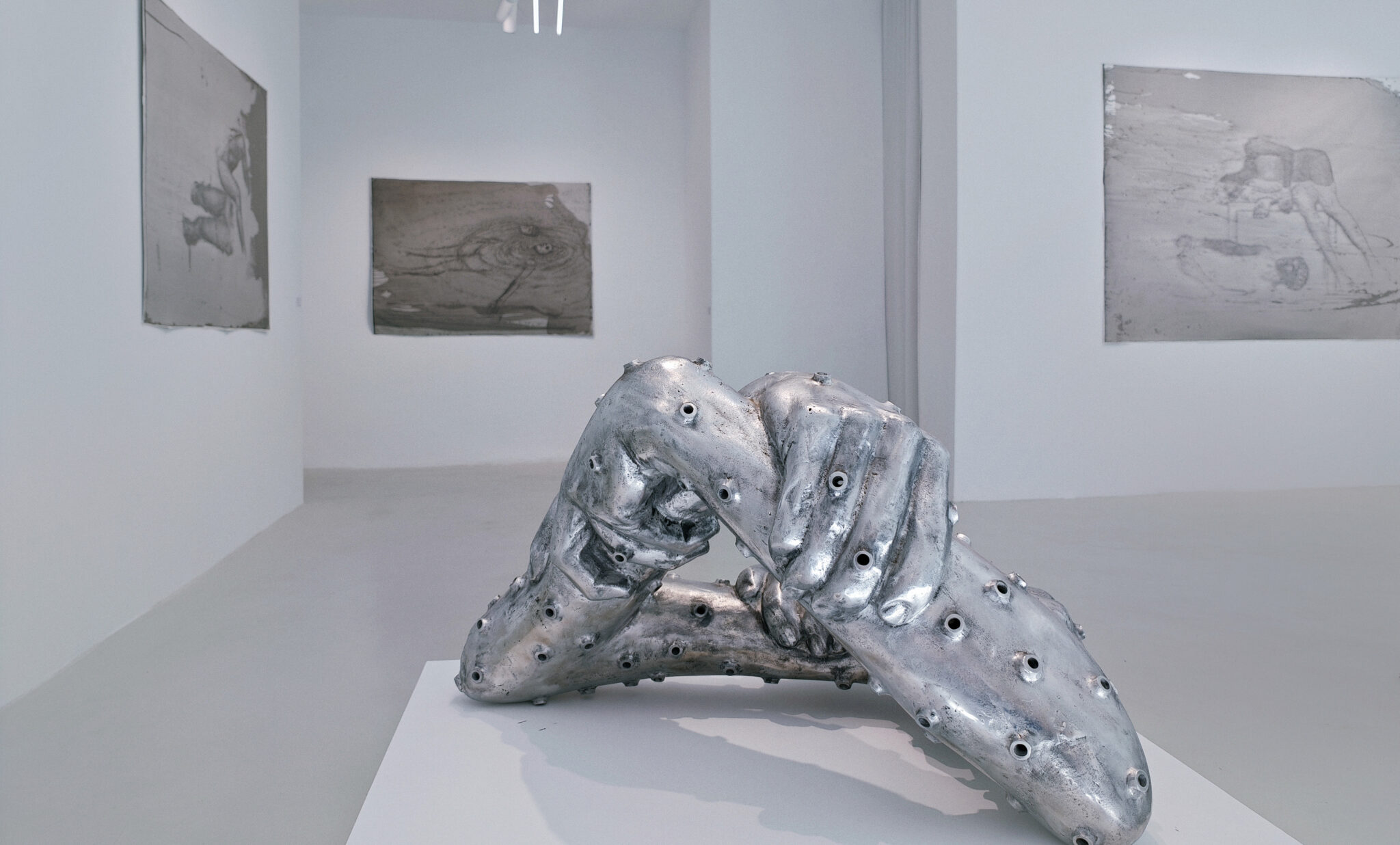
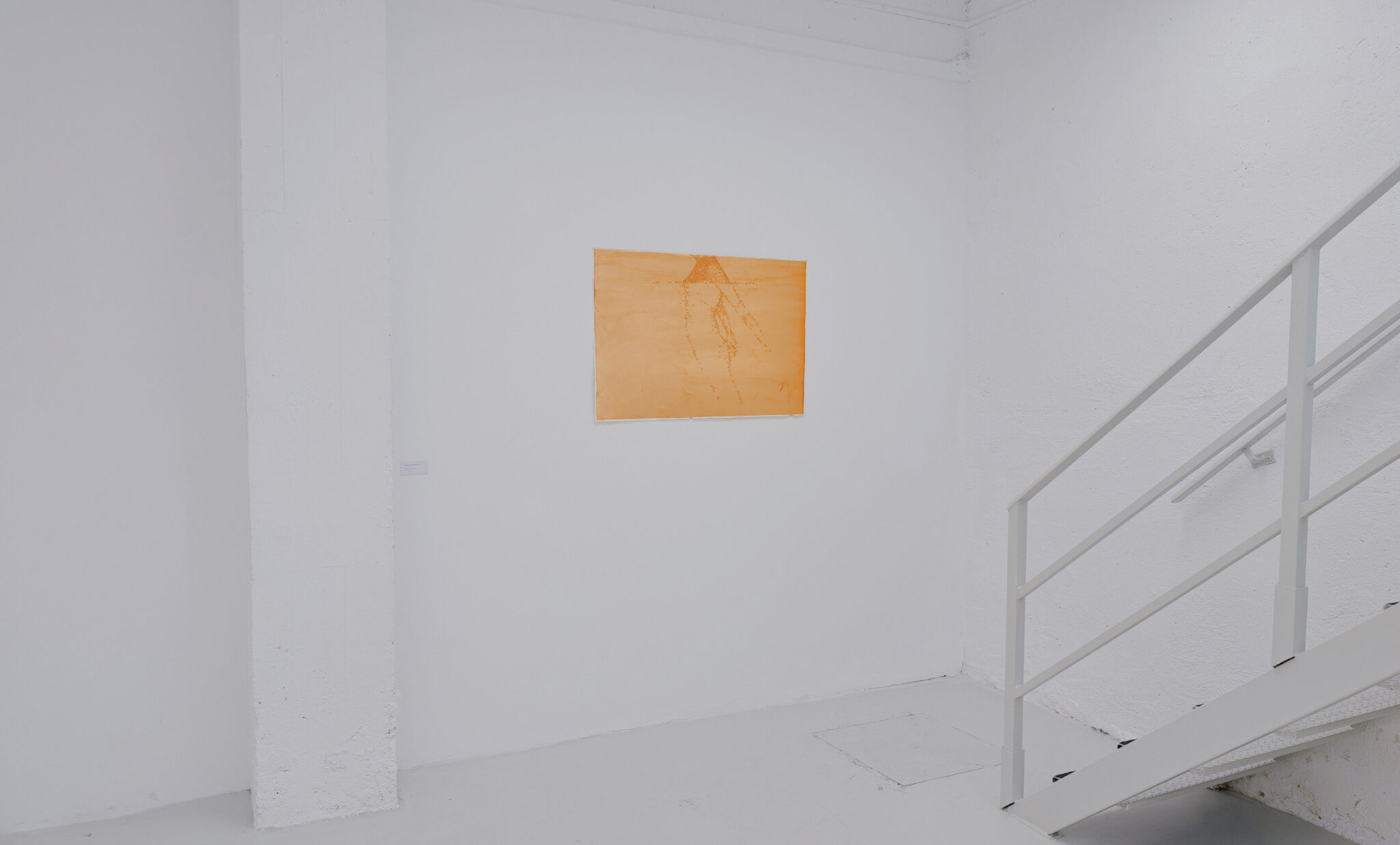
Bodies that have been pierced, punctured or perforated are a recurring theme in Amparo Sard’s work, and they take on a particularly striking presence in Carne gris. If, up to now, a puncture wound could be understood as an empty space, a fissure or even a means of defining the figure —a sort of expanded drawing—, here, puncturing no longer acts solely on the surface and instead engages with the very materiality of the work. Each incision carries with it part of that material and leaves a trace – an accumulation which, paradoxically, lends the figures greater density and physicality. Perforation no longer simply means removing material; it also entails displacing, deforming and producing material. The wound thus becomes a sculptural gesture, an act whose violence is physically inscribed on the very skin of the artwork.
“Sovereignty lies largely in the power and ability to decide who may live and who must die”(1). In Carne gris, this relationship between power, the body and violence seems to be made visible in the very act of puncturing. The bodies appear eroded, altered and deprived of some of their matter. However, the wound does not merely signify loss: what is removed in the act of puncturing or perforating remains, accumulates and gives the figures a new presence. Sard transforms this act into an ambiguous gesture, situated somewhere between destruction and resistance. Even when subjected to such aggression, these bodies do not disappear. They remain, occupy a space and make visible that which has transformed them.