The sketchbooks:
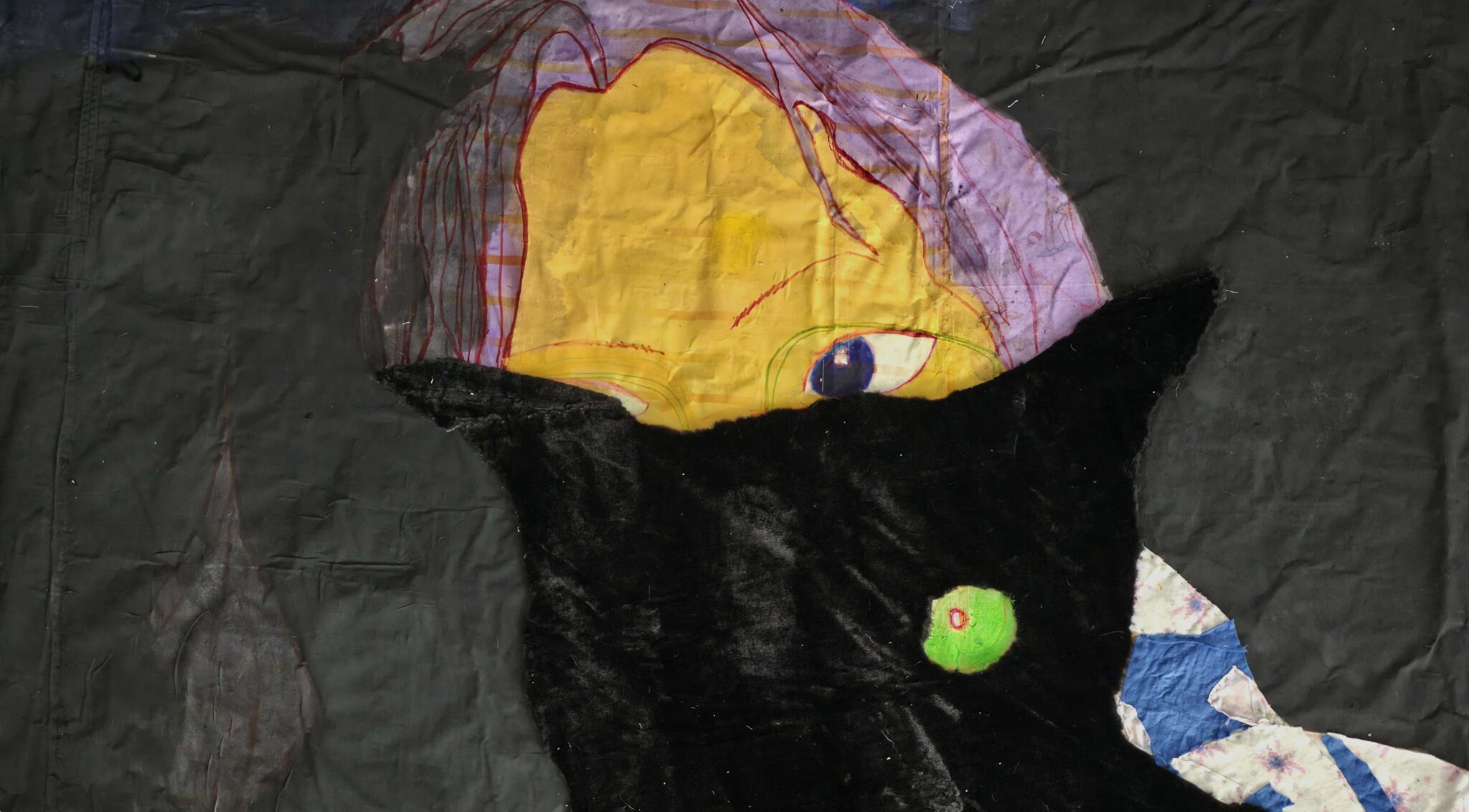
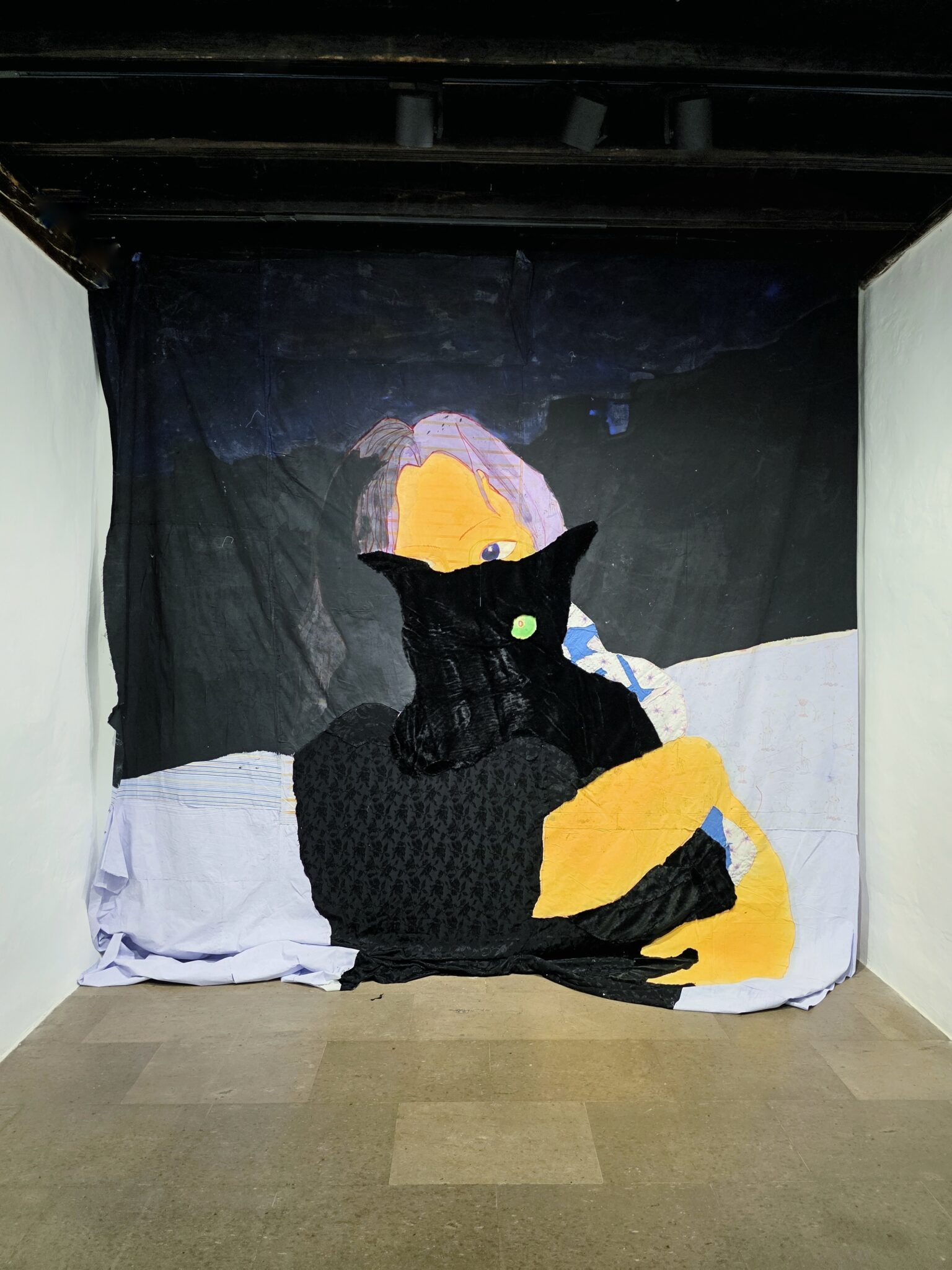
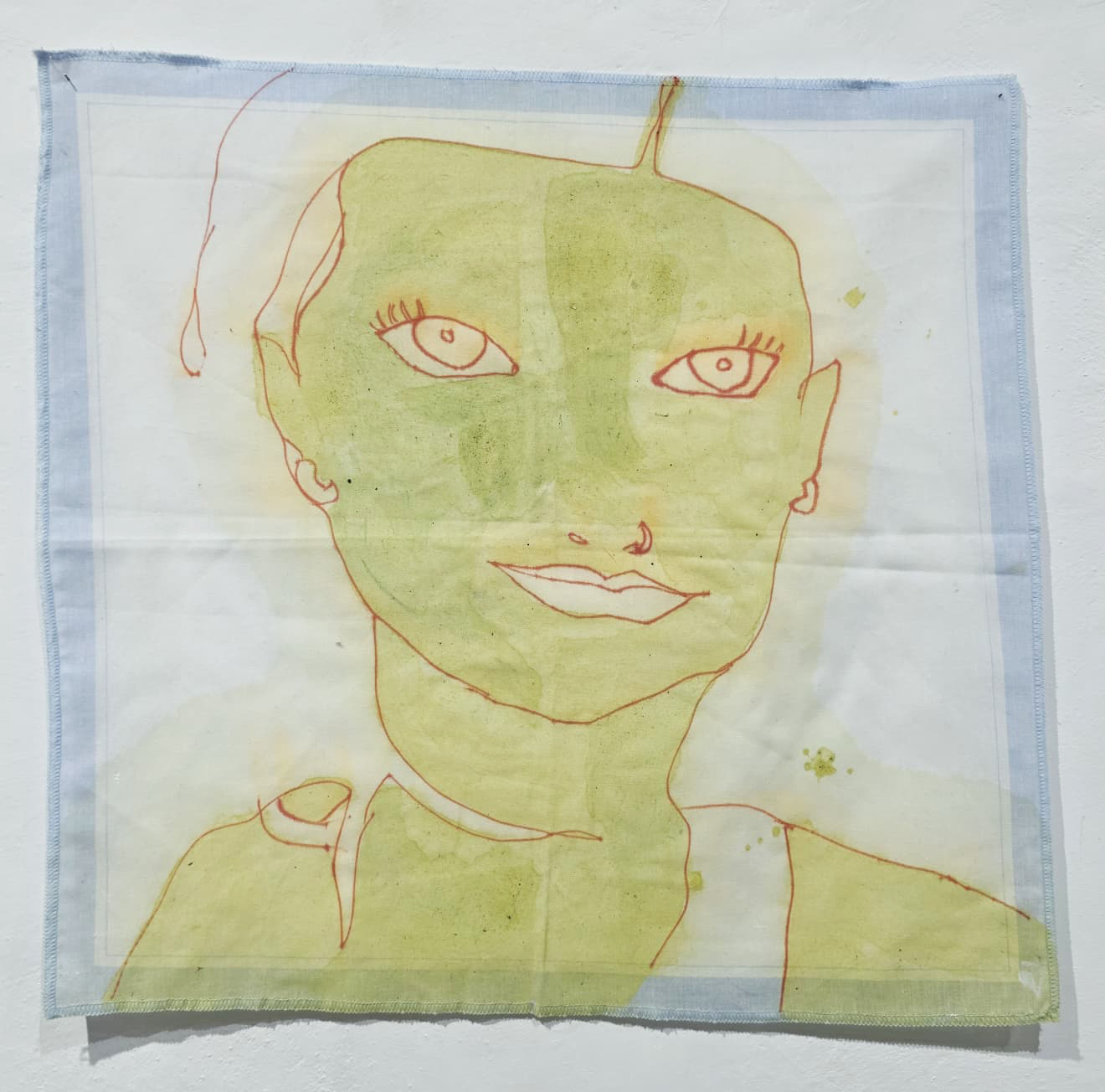
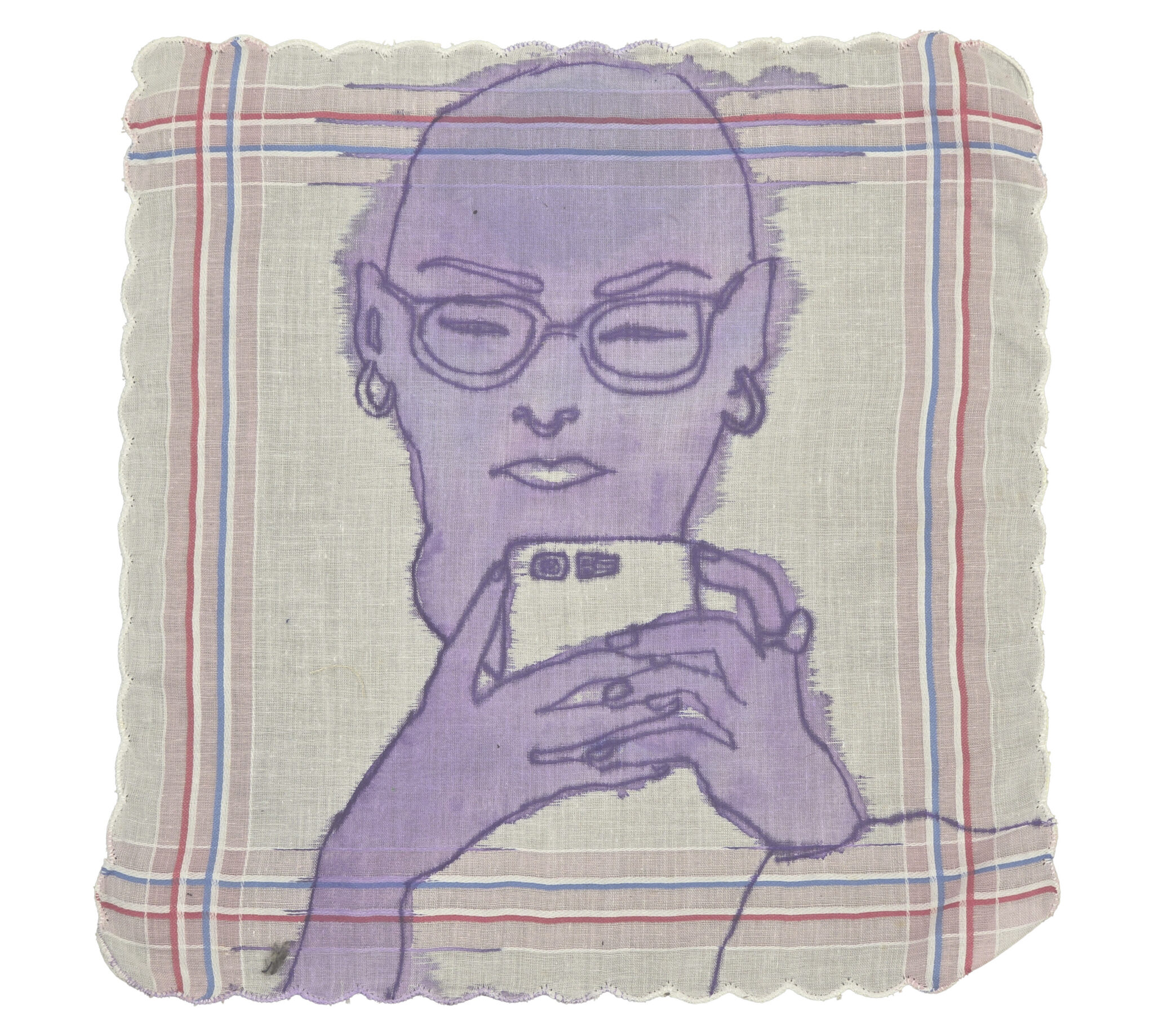
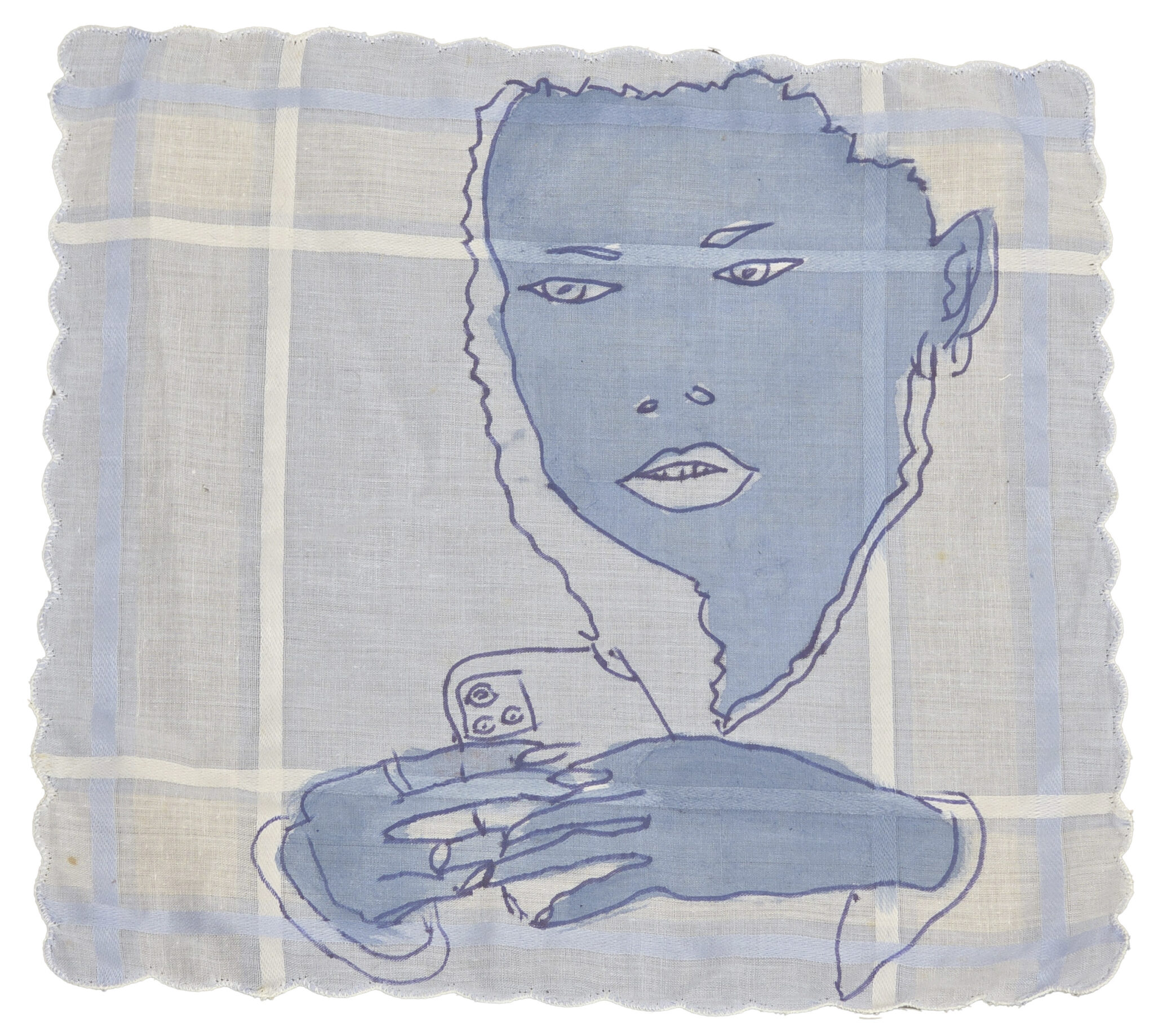
Idaira del Castillo (Tenerife, 1985) fills her sketchbooks with everyday scenes. I like seeing her arrive at places. “How are you, Idaira?”. She takes out her coloured pencils, opens her sketchbook and continues from the last page she left blank. Often she doesn’t even lift her hand off the paper. Idaira is an excellent sketch artist. She traces lines across the paper without lifting her pencil off. She doesn’t know I’m watching her. I steal glances. That’s how I observe her, as she lifts her head and brings her vision into focus, as if nothing had happened, while people talk incessantly and her hand continues tracing lines and contours. It’s just life, happening around her. She senses it: “I’d like to be able to hold on to the present,” she often tells me. And I know exactly what she means. Sometimes it becomes overwhelming just trying to withstand the winds of time pushing you towards an unreachable future. And prescribing the policies of nostalgia that dominate our cultural industry at present doesn’t appear to be the solution either. Perhaps she has the answer; perhaps that’s why the everyday fills her work. But it does so explosively because, in her paintings, faces turn green and violet, and cats appear, looking every bit as soft as their real-life furry counterparts. She is not depicting customs and manners. Idaira draws because she lives and paints because she breathes. I know: she told me during my last visit to her workshop.
The workshop:
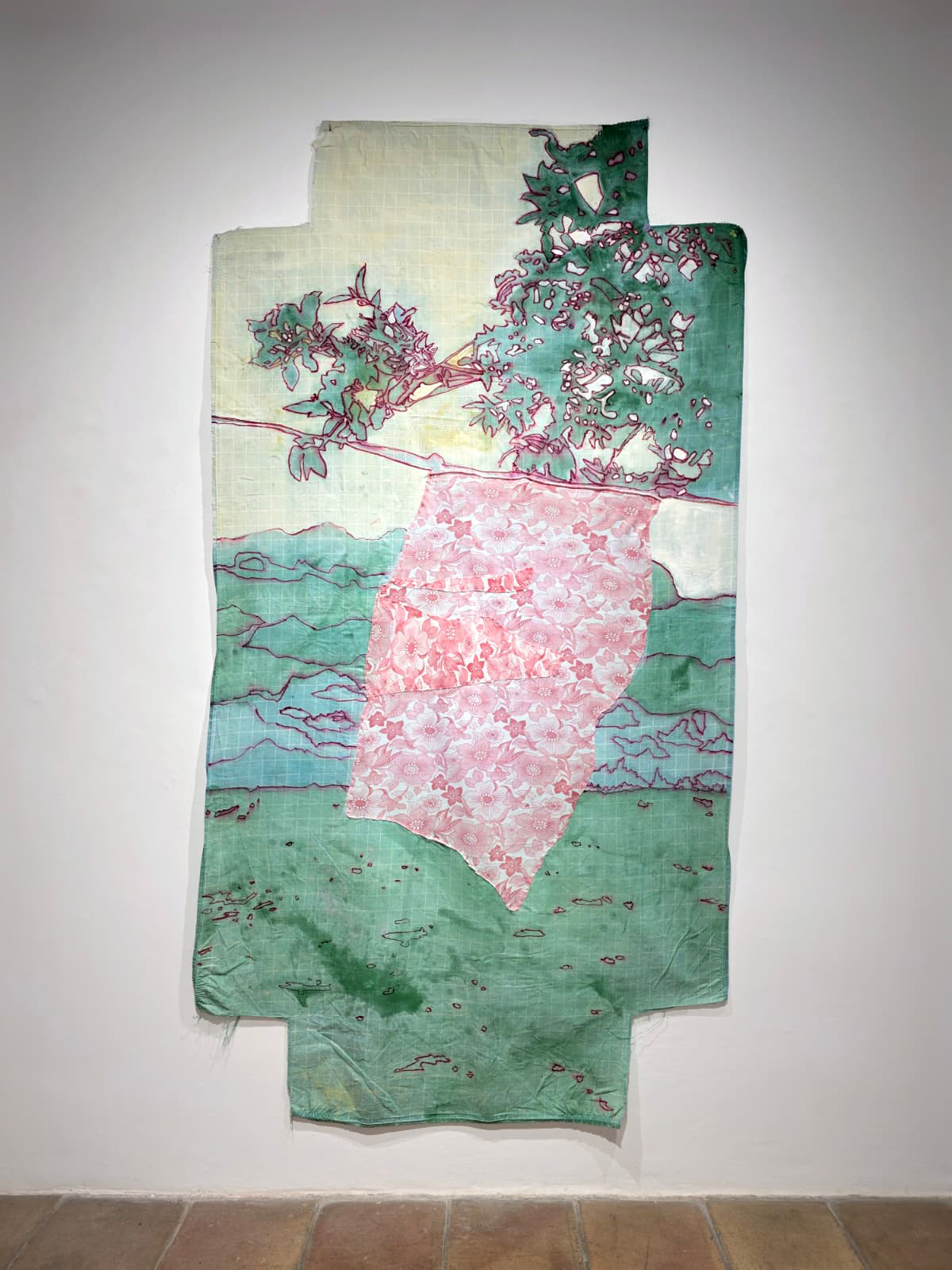
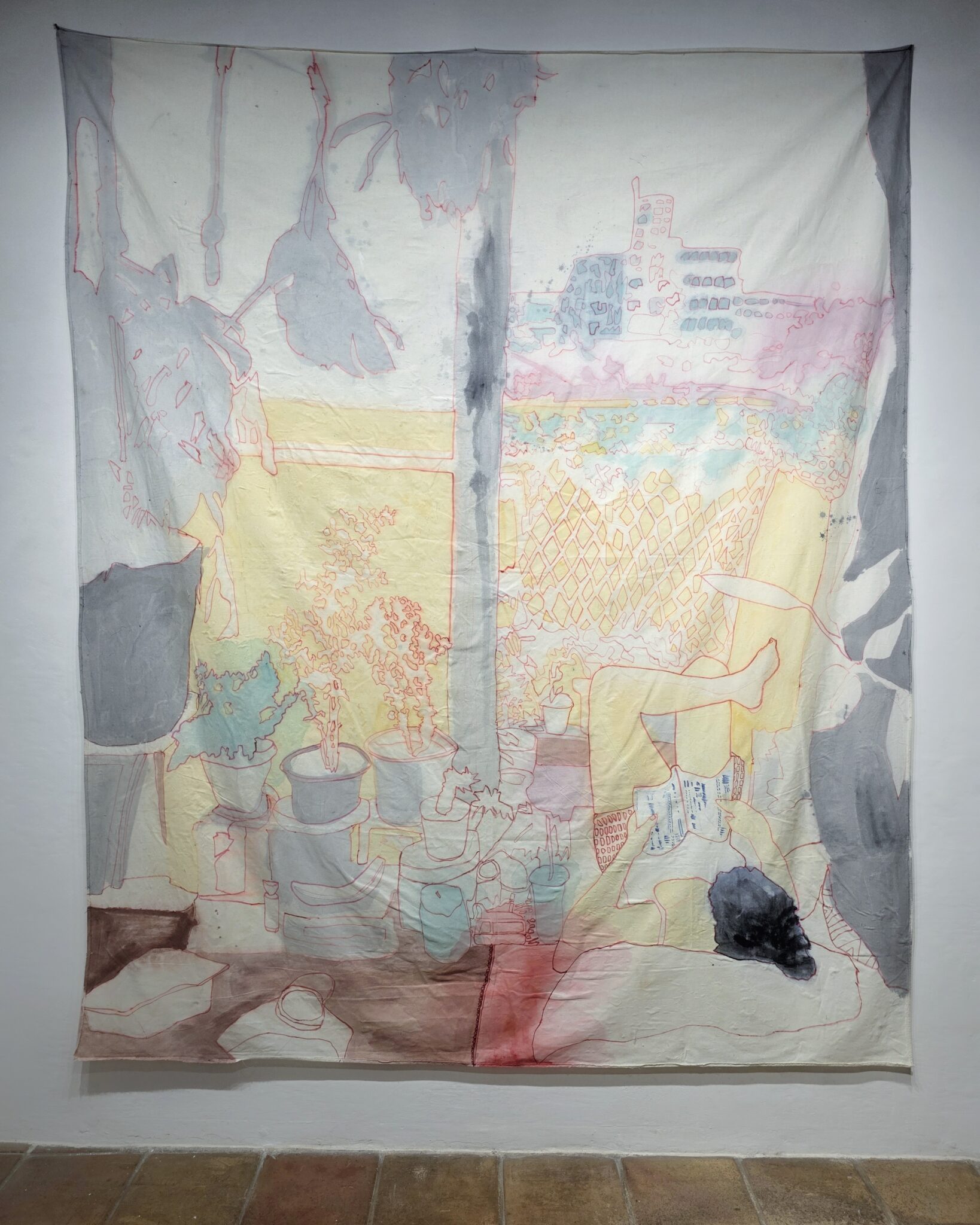
Idaira’s canvases are huge. She makes them herself. She sews together sheets, fabrics, tablecloths, clothes and other scraps from a shipwreck. They are so large that when you visit her in her studio, she has the air of a rug seller. One by one, she gradually unfurls each piece of art. We take off our shoes and, little by little, stretch out all the corners. And she brings out another one, and places it on top. And another. And another. By the end, the floor is completely covered, and it’s hard to tell where one scene ends and a new one begins. I see a view of a house. Clothes hanging out to dry, a hallway, plants. In another, a girl reading in a room. Very close up, oversized, a colourful vase. Idaira always draws and paints from a scene or a live model. She also uses photography. That’s how her sketchbooks work. They are photographs made using pencil and pen that do not require developing or a combination of pixels to produce an image. Because, ultimately, her images are full of materiality, life and time: creating the impression of time caught in an instant, characteristic of any image, and time that does not stop in the very flow of everyday life. Such carnality stands out, we said, in a world like ours, filled with fleeting images captured digitally, destined to be forgotten in the near future. Far from it here, in this workshop, where the artist works with the very matter of time itself.
Rita:
The pieces in this exhibition have emerged at a special moment. In her most recent exhibition at the Círculo de Bellas Artes in Santa Cruz, Idaira presented a large-scale piece that was completely irreverent. On this occasion, her work retains her famous chromatic vibrations, but some pieces introduce silent, fragile scenes that emerge from a whitish background. It reminds me of the last stages in Millares’ career, when, unaware that he was gravely ill, he transitioned to pieces as luminous as those of our artist. For Millares, death came to him, a death that in his final canvases appears as a lyrical and peaceful annunciation. Hopeful. Dominated by the colour white, the same shade that has permeated some of Idaira’s recent works after so much colourful extravagance. Sweet melancholy. That is why the protagonist of this exhibition is Rita, herself clad in snowy, milky sheets. Placid, serene, so beautiful. Rest in peace.