Curated by Ramiro Carrillo
OCT, 23. 2026 – DEC, 5. 2026
Ramiro Carrillo
Eleven hours and five minutes. That is how long it has taken me to write this presentation. Too much, or perhaps too little – it all depends on whether it’s a good or a bad piece of writing, whether I’ve struggled with it or enjoyed it, whether I’ve written it holed up in my office or whilst wandering through different places and moments in time. There may be many different times within that time, but what is certain is that, whether lost or gained, that time is a part of my life. In her essay on waiting, Andrea Kohler says that life is a span of time between two nothingnesses. That interval — that parenthesis, as Benedetti put it — is all we have. It is almost all we have. In fact, it is the only thing we have, and this small fragment of my life that I have devoted to what you are reading — these eleven hours and five minutes — has been trapped here, woven between the lines of text.
Forgive the play on words — for what is a text, if not a play on words? — when I say that our time is a crucial issue in our time. What we devote our hours to — how we experience what we experience — affects the course of history, now, today, when powerful corporations invest vast amounts of resources in developing highly effective devices and applications whose sole purpose is to hold our attention and thereby ensure that we devote enormous amounts of time to them — the finite and irreplaceable time of our lives — which is diligently transformed into money. We have been persuaded, indoctrinated and trained to want to devote our time to ingenious devices and technologies that offer us, among other advantages—there are always other advantages— the ability to save time, which we normally spend on implementing new devices and technologies that allow us, once again, to save even more time, creating a paradoxical loop whose result is that the more time we save, the less time we have, a process Kohler identifies as the hallmark of our age: the abundance of a lack of time.
Today, right now, the dark fantasy of Momo, the novel by Michael Ende, has come true, the one about the Men in Grey who feed on people’s time, convincing them that they would be more efficient if they made better use of the hours they spent on unproductive activities such as, for example, dancing, chatting or listening — or, I might add, writing, sculpting or drawing. In many respects, we have been living within that fable for years. In many respects, we have become the stressed, gloomy and defenceless wretches who, in the novel, are caught in the web of The Men in Grey. And it is hardly surprising that we are so drawn to and yet utterly bewildered by people who, like the character Momo, manage to escape the techno-capitalist mantra of not wasting time, and insist on taking a break, an insistence which, at first glance, seems like a personal choice, but which, in addition to that, or precisely because of that, becomes a political stance. Because where we spend our time, what we do, what we talk about, what we look at, is a message we send out. It is an act that shapes the world.
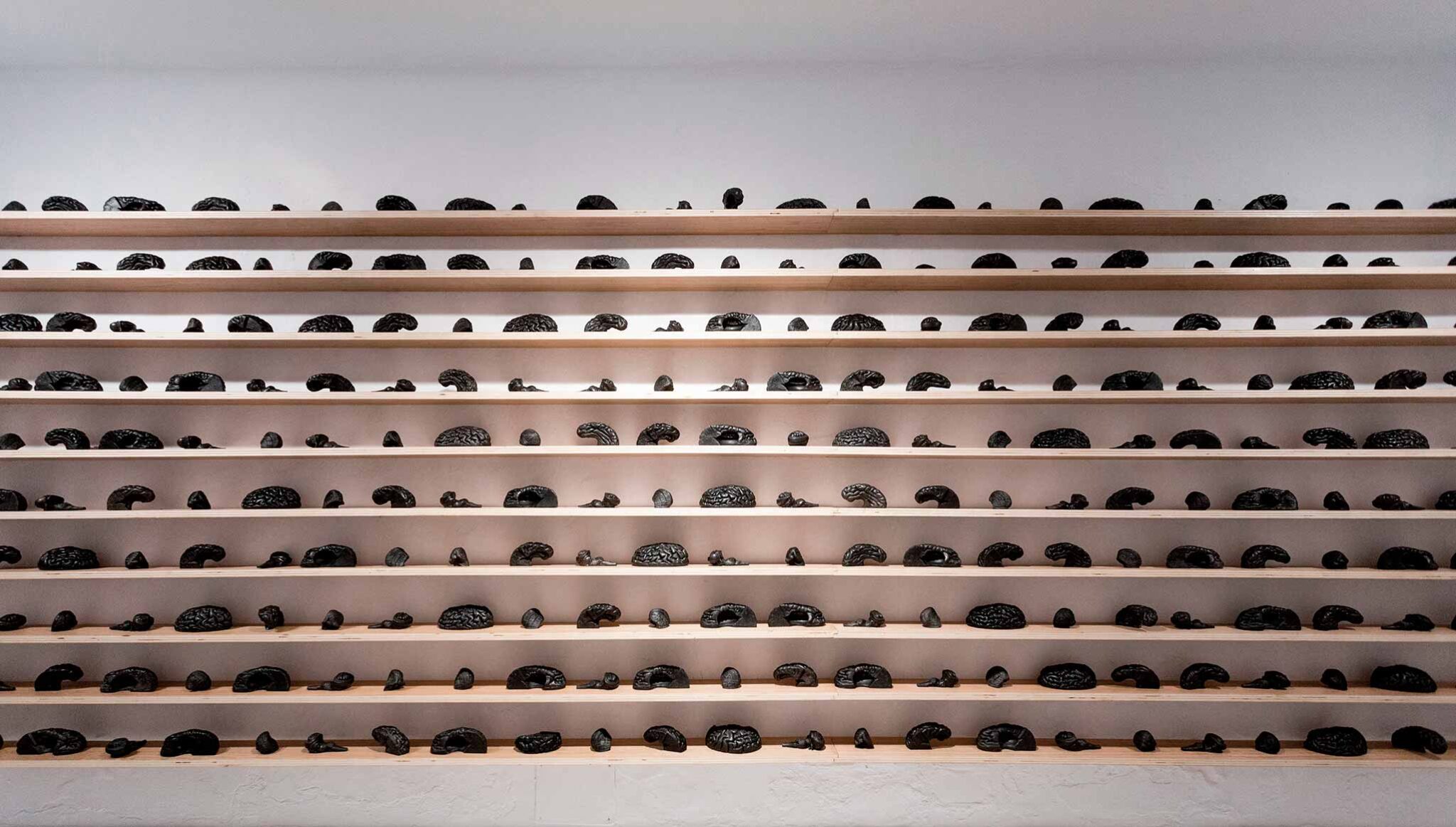
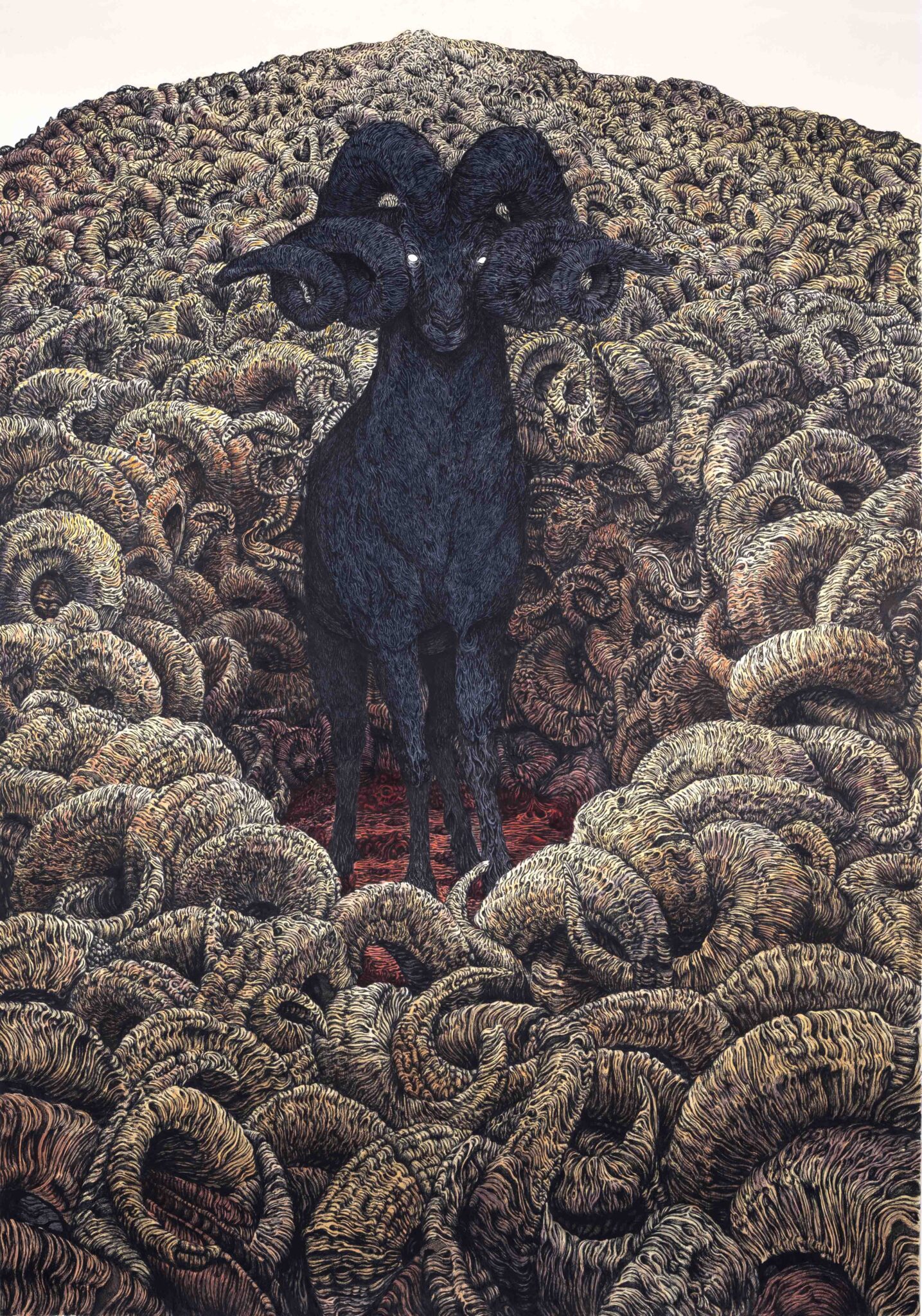
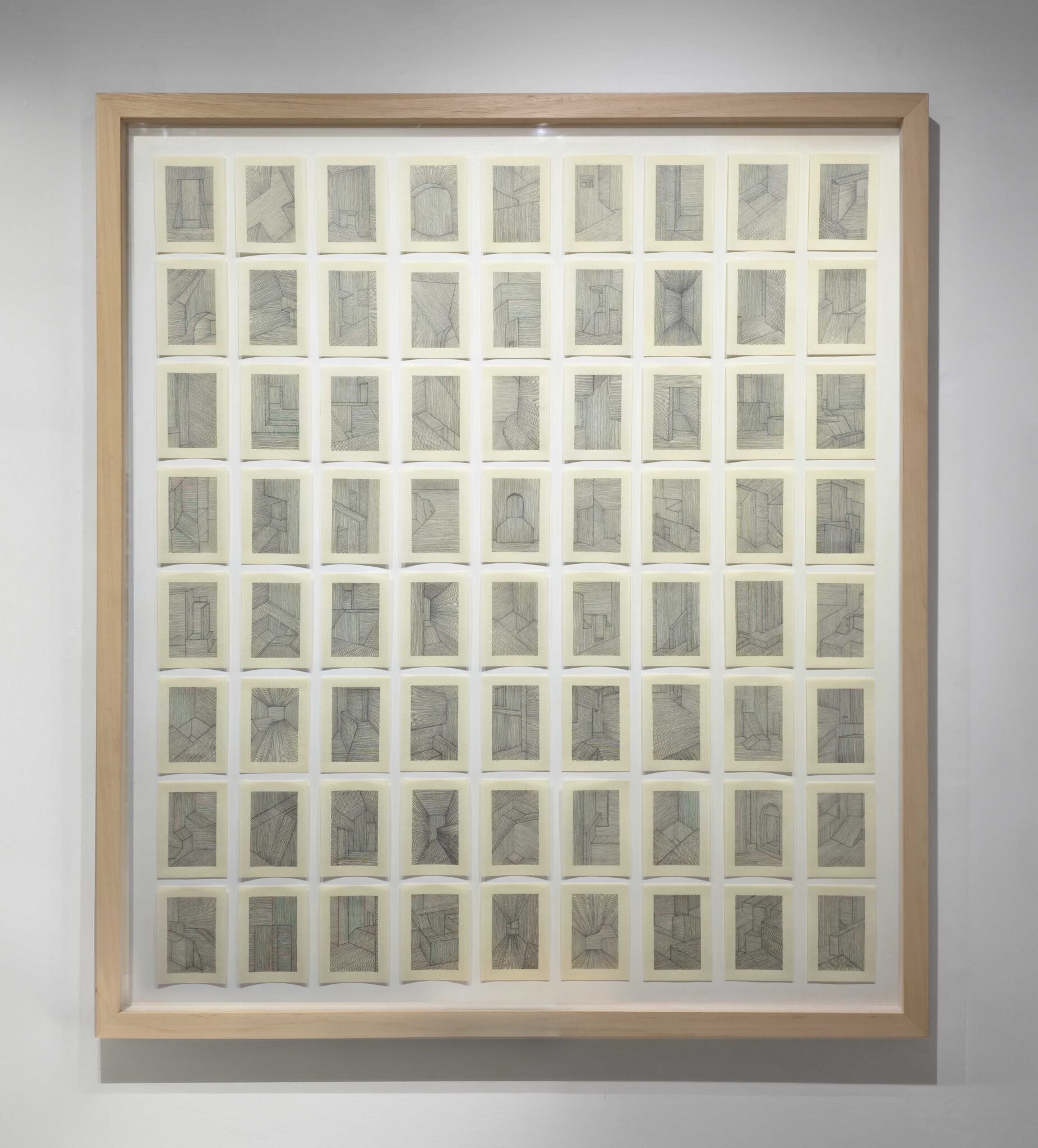
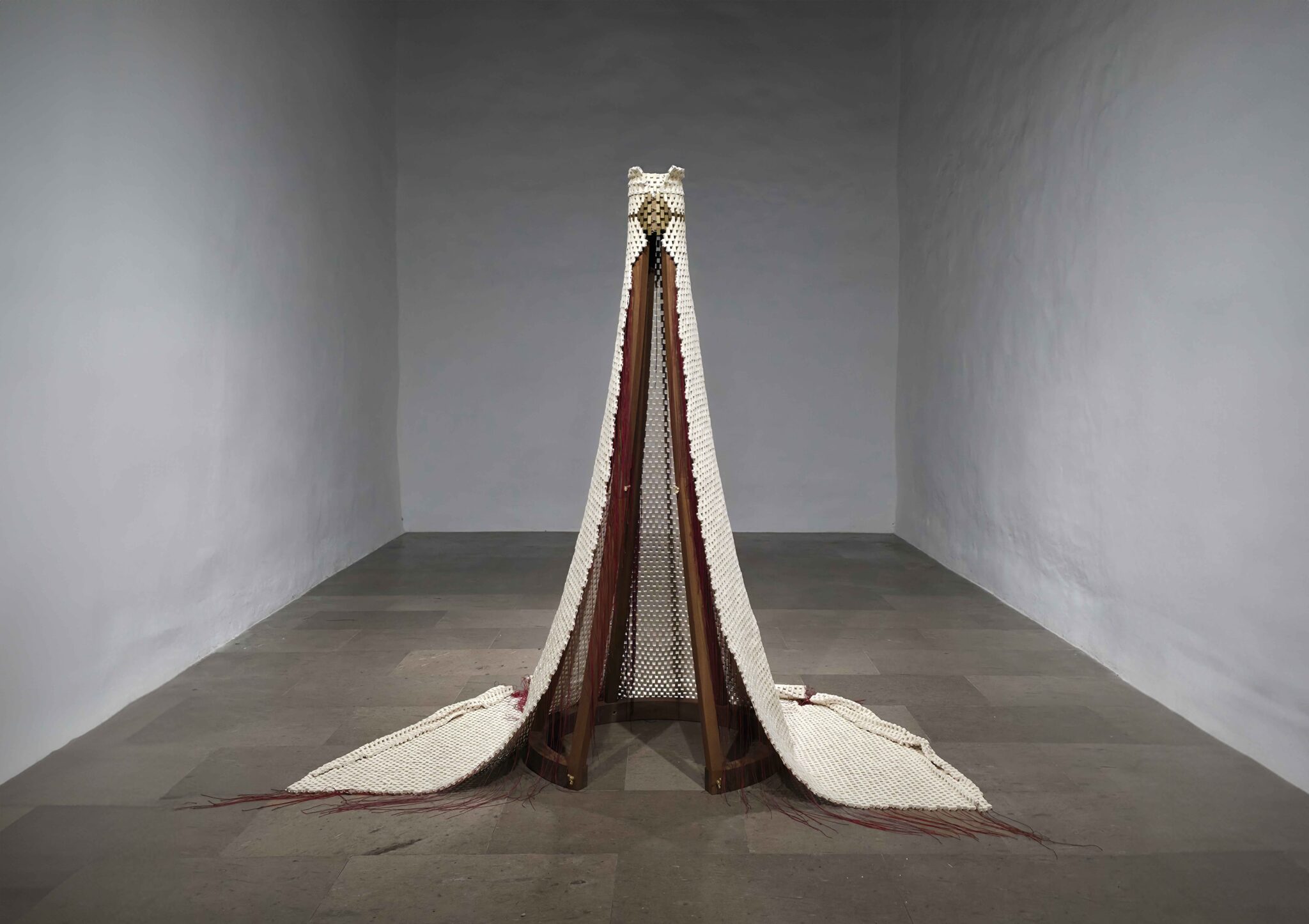
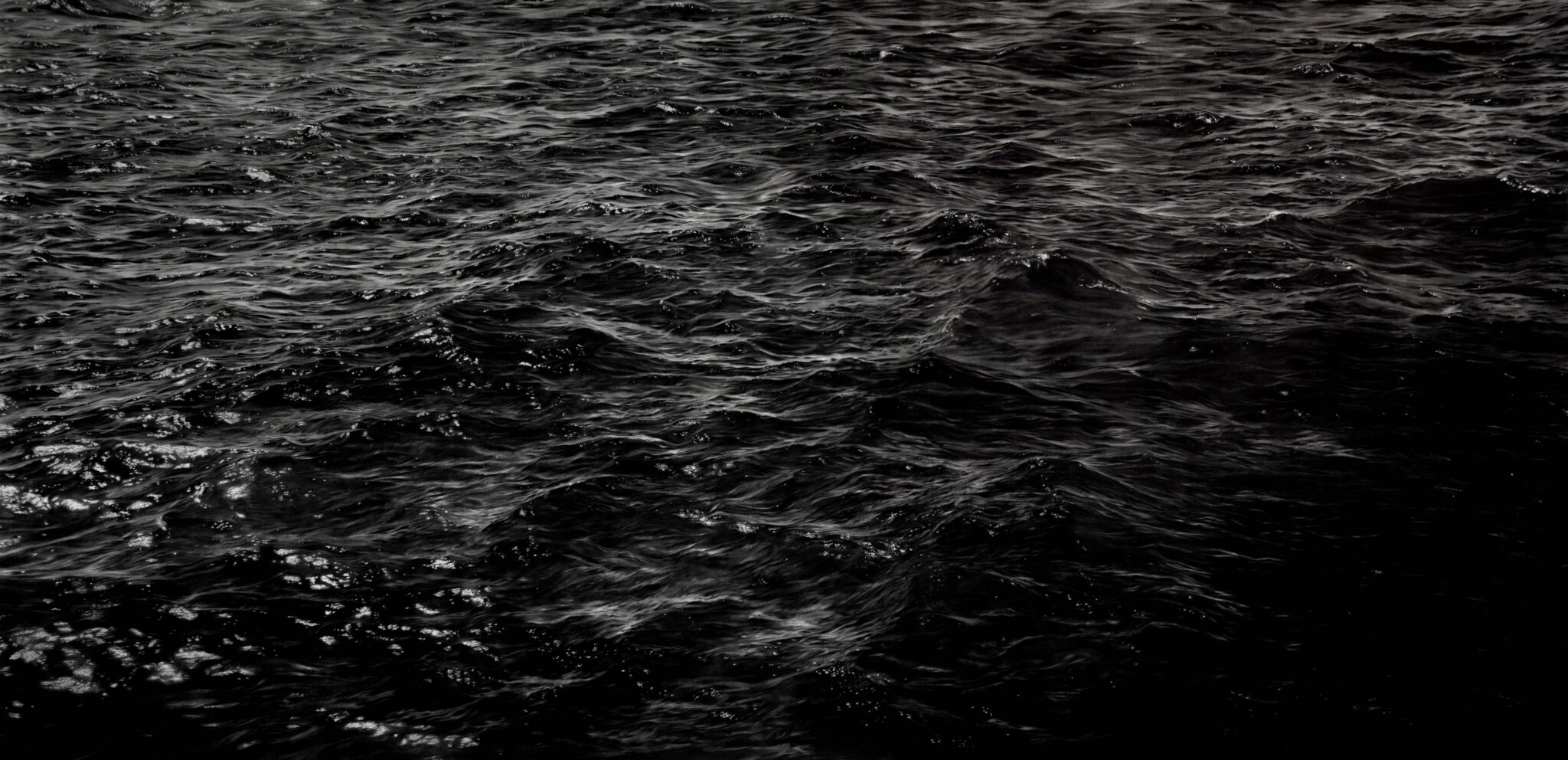
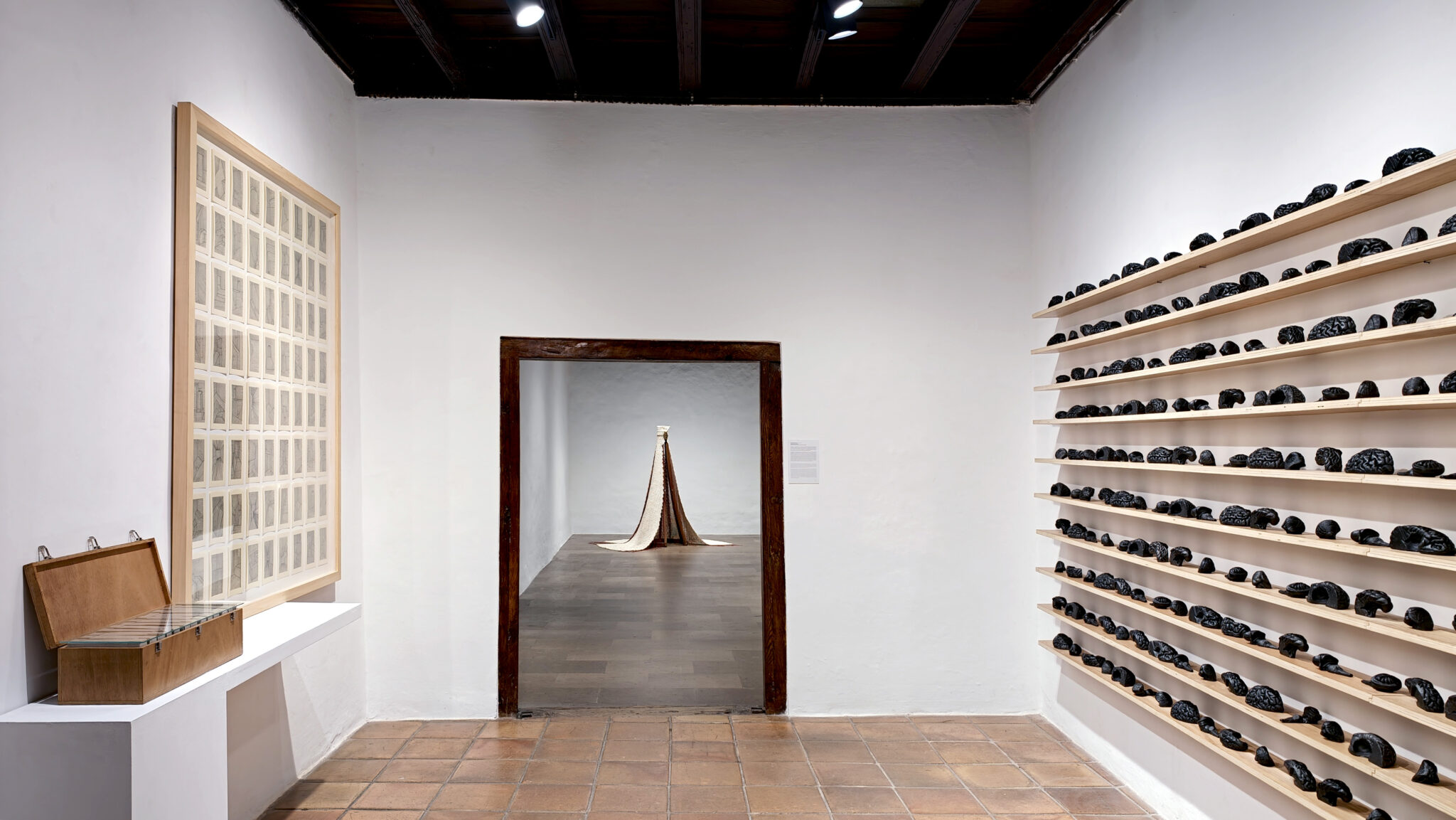
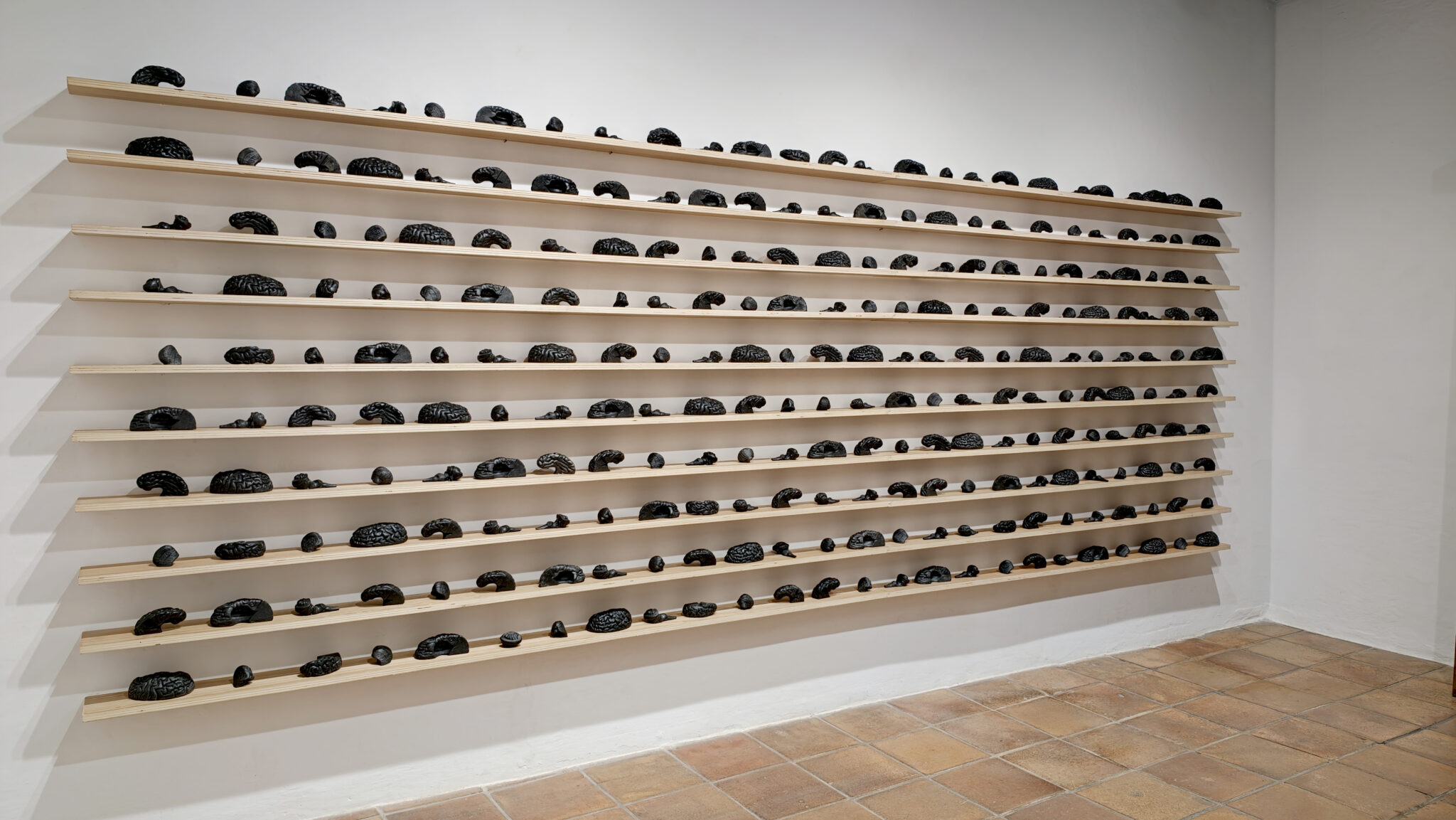
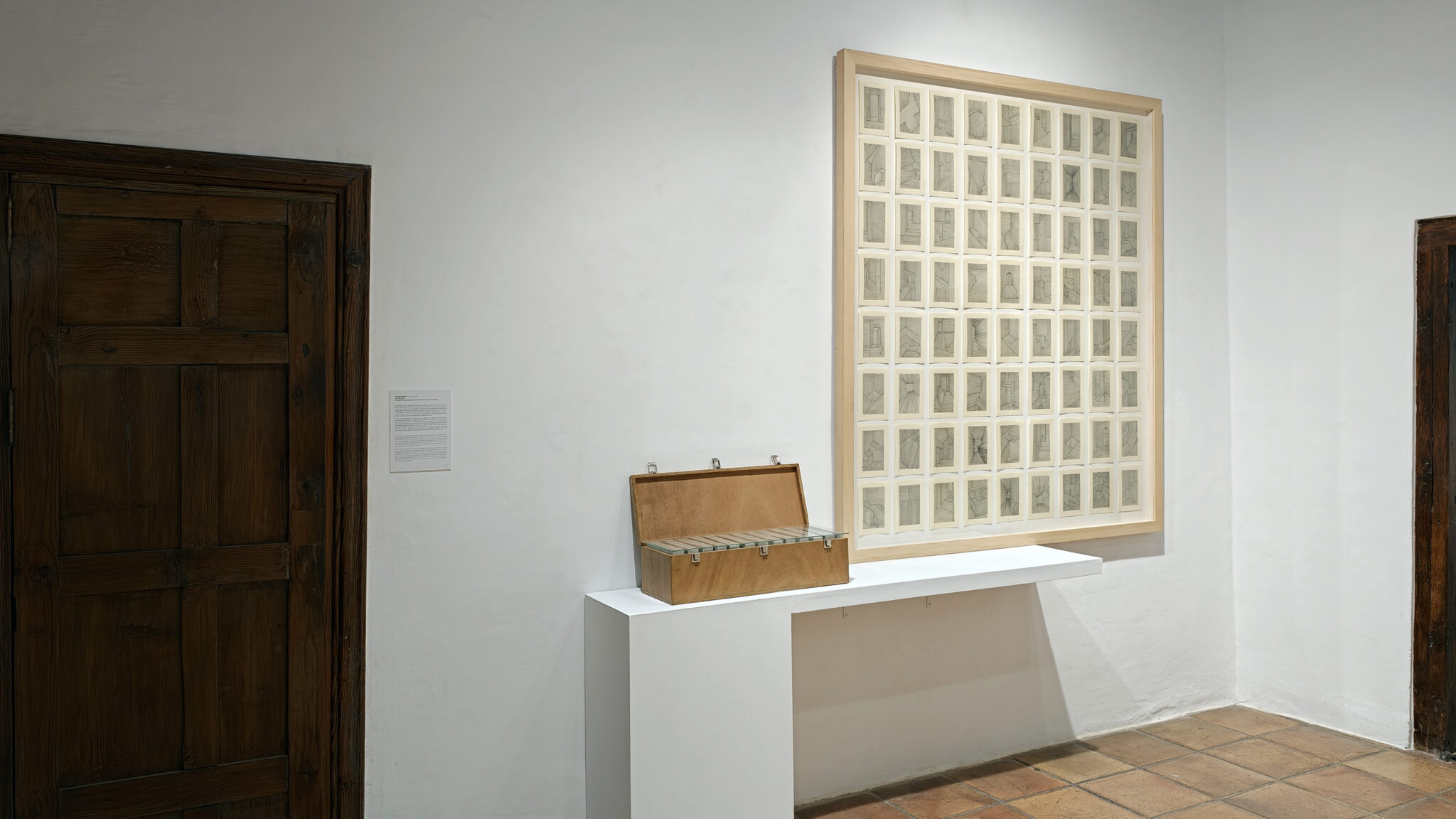
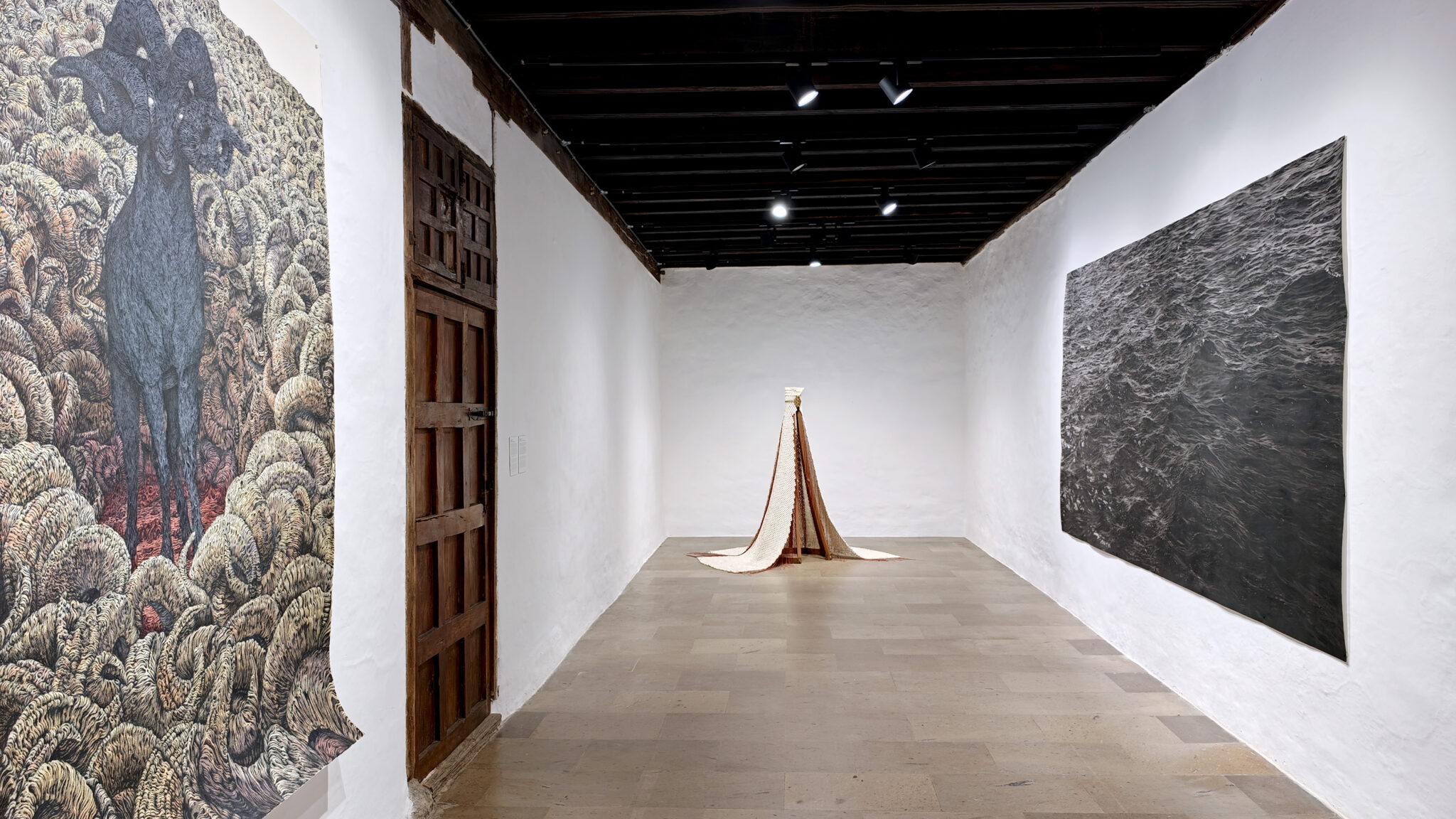
The latest reinvention of capitalism that dominates our times, algorithmic capitalism, has accelerated the acceleration of life that Nietzsche was already complaining about an eternity ago, which means that today, just as in Momo, pausing is something counter-cultural, an aberration, an act of defiance against the system. Pausing, like thinking, is for losers. Speed, virality and performance are the hallmarks of our times. In the arts, as in life, there are those who celebrate this new worldview, those who resign themselves to it, and those who take their own time, as do, I believe — and this is where I’m heading — artists such as Marco Alom, Julio Blancas, Laura Mesa Lima, Carlos Nicanor and Victoria Valiente. Artists who, with distinct and divergent aims, methods and practices, operate by rejecting the dialectic of efficiency and position themselves out of step. Putting themselves in a position, I would say, that is out of step with the times. They create their own works. They devote — many — hours to their pieces. They work harder to produce less. In other words, they defy the techno-capitalist imperative, and they do so not as a vindication of craftsmanship — I don’t know if that’s actually important to anyone, but it is not important here — but because, each in their own way, they immerse themselves in the deliberate and active task of making time meaningful, which allows me to assert, only half-poetically, that what these artists do is make time.
I hope I can make myself understood on this point: this isn’t about labour-intensive work. Many artists create labour-intensive, meticulous works that require dedication and are highly commendable. But that is not what this is about — or at least not what it is about right now. This exhibition presents five artists who propose processes that are unnecessary, inefficient and, in a sense, pointless; processes that could be carried out more quickly, more easily and more profitably. Which could be outsourced. This is about placing time within the works, at the heart of the works — within their ‘linguistic structure’ —; a surplus, unnecessary time, which stems not so much from a formal necessity of the piece as from an ethical stance on the part of the artist. I am therefore speaking of something that is superfluous, that stands out; a remnant — I am referring to what Barthes called a ‘supplement’, a ‘semiotic supplement’— which suggests that, in these works, time is an element of their language. It generates meaning.
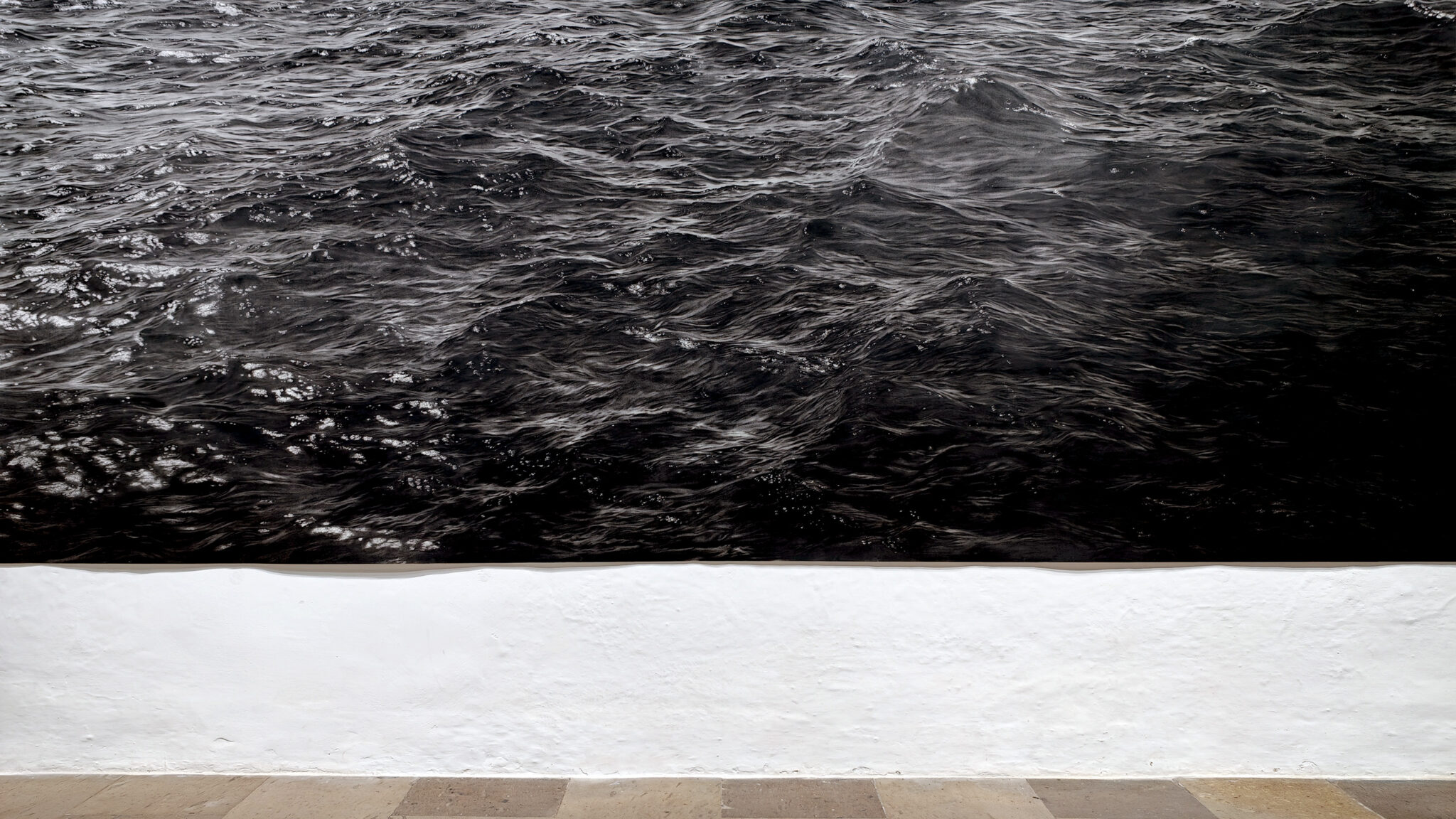
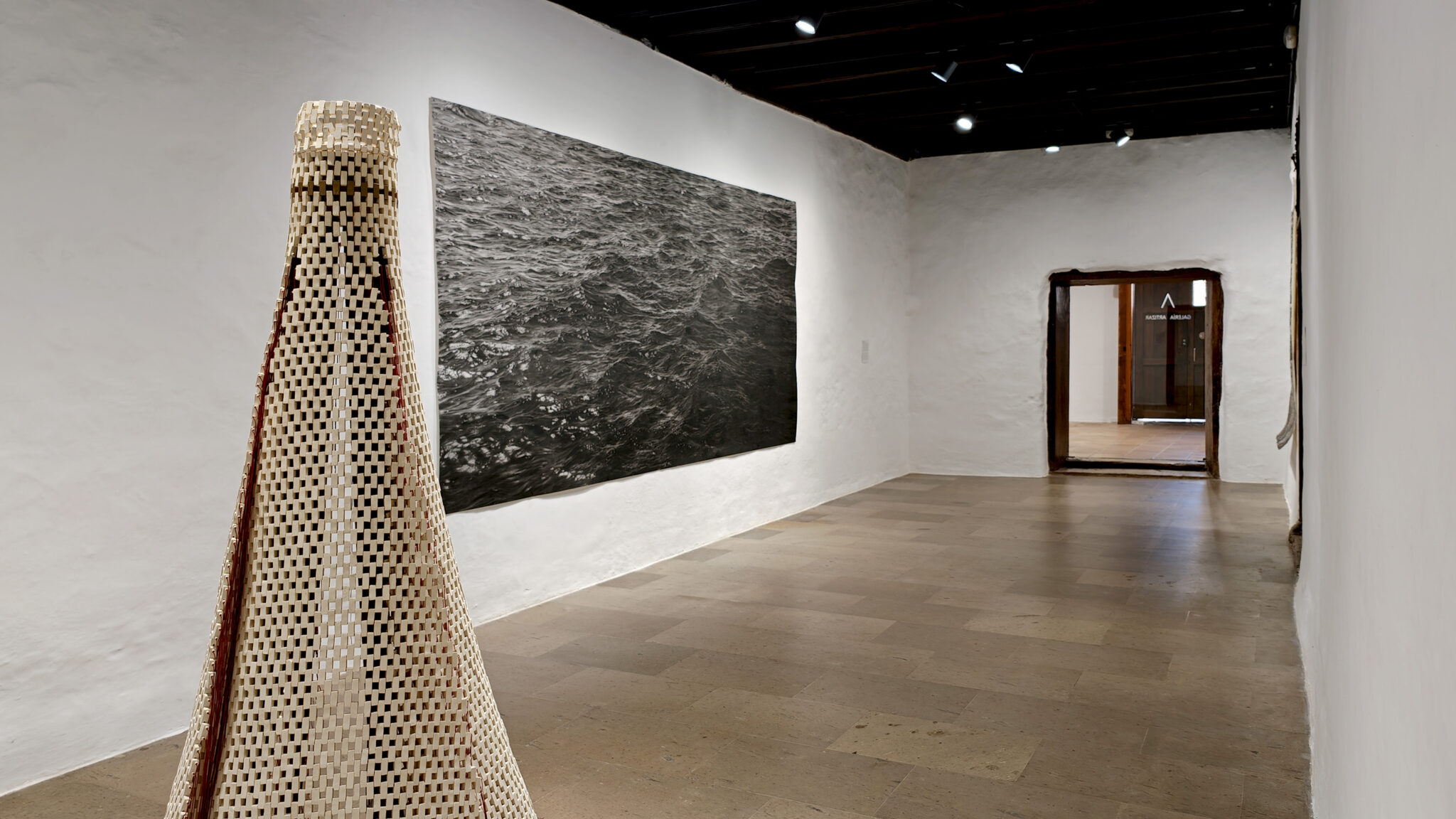
Let me clarify even further. I am not talking about production time — such as the time it takes a printer to print a sculpture or an algorithm to generate a text — but rather about the time of life, the lives of the artists, an inefficient time which, for that very reason, becomes significant. A time that necessarily functions as a performative component within the work, by virtue of which the work is configured not so much as an object but as an act, which leads us to think that these works are, among other things — such as the specific concerns of each artist — a parenthesis. They are, as I said before, a ‘making of time’, or ‘making a time’, which is recorded, knotted, interwoven, within the body of the work, in its materiality.
The effect produced by a work of art — call it ‘meaning’, if you prefer — is a symbolic construct derived from the combination of many elements. What this text, for example, produces in you is the result of interweaving the meaning—literal, figurative or emotional—of the written words with other signifying attributes, including the context and the personal situation in which you are reading this, or the very materiality of the sheet of paper you are holding in your hands right now. It follows that materiality — I am not referring here to this sheet of paper, but to the works of art I am discussing — which, as we have seen, possesses a meaningful performativity, has the potential to connect two temporalities: the lifetime of the person who has carried out their work, and that of the other person who devotes a little of their time to observing what has been created. And when that connection is made — and only when it is made — that is when we say that a work of art truly matters.
And it must be said that it is important, in various ways, when a work of art matters; by which I mean, in this case, that time is relative — as you well know — not only in theoretical physics but also in experience. There are many times within our own time. We experience time differently depending on the person, our emotions and the moment. Life moves faster or slower, and if we understand that the contemporary acceleration of life, the fragmentation of our sense of time into an infinite number of small tasks, our determination to give our time to abstract and ubiquitous entities that turn it into money, if we understand that all of this robs us of time, we can then deduce — and here, as I have time, I shall allow myself a touch of poetic licence — we can deduce, then, that pausing, thinking, and taking one’s time is a way of prolonging life.